
By Sam Gumprecht
Today’s society claims to be far off from the horrifying and wild society of the Puritan times, but that belief is false. There are many elements that make our society different from that of the witch hunting, self concerned Puritans, such as a more free moral system that’s open to interpretation. The Puritan society kept more people in line with its rigid, religious structure compared to our fluid system. Furthermore, just because today people do not say things to others’ faces like the Puritans did does not make us more moral. We claim to be more accepting, but just because we shove aside topics that are sensitive doesn’t mean people are ok with them. Though both societies had lots of differences, both are equally as immoral. Our society today is directly rooted in the past Puritan ideals, yet we choose to disassociate with it. Today our society is just as corrupt in its morality as it was in Puritan times because our moral dilemmas haven’t disappeared, they simply morphed into new versions of the same old problems..
The first morality issue that has morphed from the Puritan society into today’s is the act of falsely criminalizing innocent people. In the Puritan towns a plague of witch accusations swept over the people, as explained in the play The Crucible by Arthur Miller. Those who ranked higher in the social hierarchy of the town would accuse those who they thought were suspicious or easy targets of being witches. Accusing someone of being a witch essentially was one of the worst things to be accused of back then. Some of the innocent people were put to death and others thrown in jail for long periods of time. Today we have a different version of falsely accusing people. Many innocent, young black men are being shot and killed by police officers, just because they “seemed” dangerous. The involved police officers unjustly accused the men of being unsafe based solely on how they looked or what the officers thought they were doing. They targeted them just because they were different in the society and making assumptions criminalising them. The new problem doesn’t seem much better in terms of morality than it did back in Puritan times. (Miller)
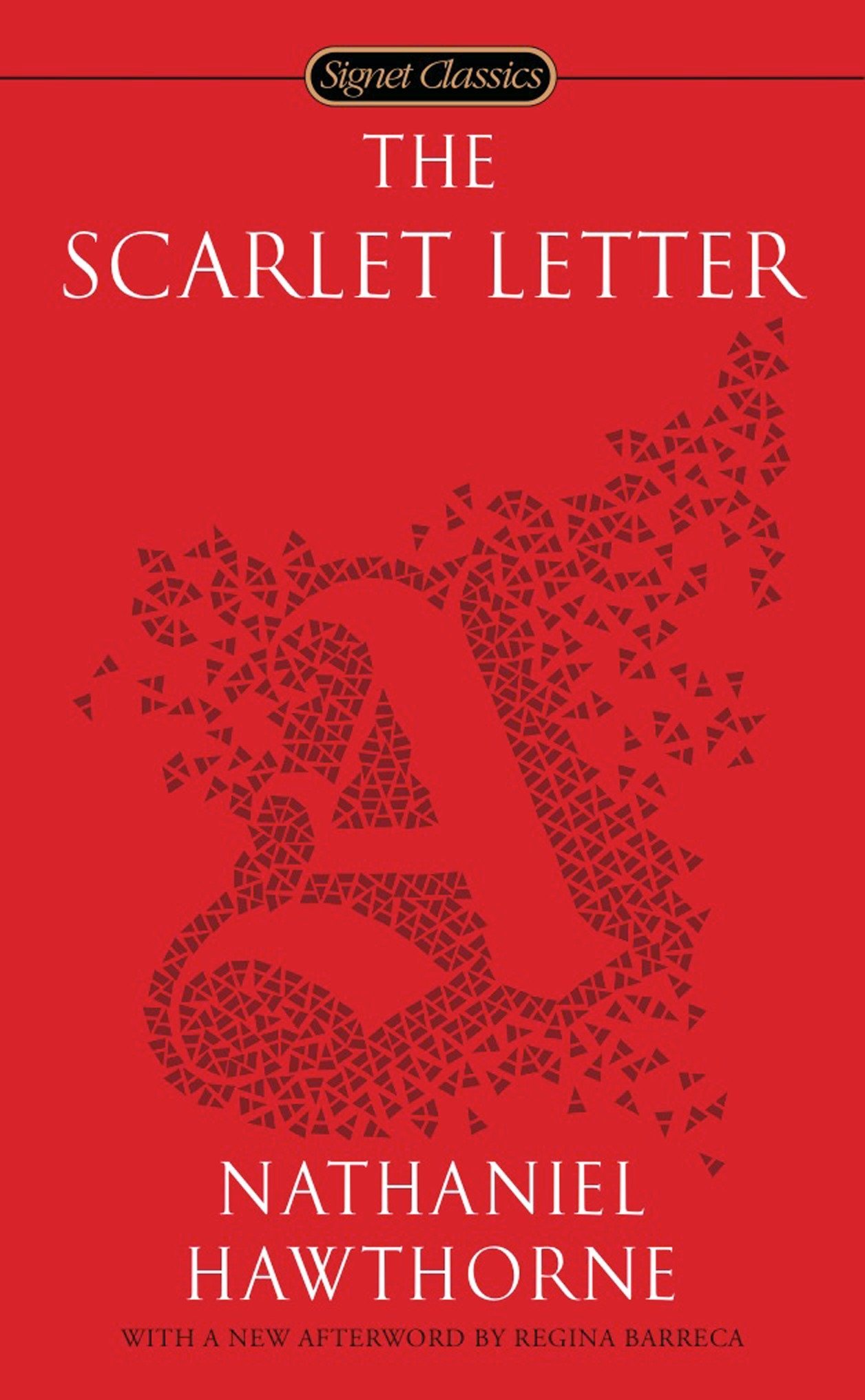
Another issue that flows from one society to another is how, as a whole, society shames women. In many public cases of sexual assault or something to do with a relationships between a man and woman, the women are shamed more often than the men. In the Puritan society men were held in a high authority compared to women who were expect to sit pretty and tend to the house. That meant women were the subjects of blame nine times out of ten, a prime example being Hester in the Scarlet Letter by Nathaniel Hawthorne. Hester committed adultery, and her partner was Dimmesdale. But only one of them received the brutal social shaming and ostracization, and it was Hester. Even when the time came for Dimmesdale to finally come clean about his sin, the people still praise him, and he dies avoiding the shame that came with the reveal. Throughout the whole novel, Hester is left to bear the wait of a sin of two people and the society chooses to ignore the other half of the relationship. (Hawthorne) In today’s society we have the same problem it has just moved to modern circumstances. We have moved on from sending women out to the woods to wear a red letter in solitude, to publicly shaming them on national television. A current example of women being shamed is the public dispute between Brett Kavanaugh and Dr. Christine Blasey Ford. She accused the then-running Supreme Court justice of sexual assault and immediately was attacked. Claims were made that she was doing it just to throw the election, that she was lying, or plainly just attacking her. “Ford’s voice was called ‘manipulative,’ a distraction, and an indication that she was lying under oath by some commenters” (Sole). Once again society is shaming the woman and not the other half of the dilemma. Shaming women nowadays and back then doesn’t really seem like much progress for our society. We need to learn how to hear both sides and not judge automatically just like how the Puritans needed to learn back then.
Another flaw that morphed from the Puritan past into today is plainly judging those who are not the same as everybody else. In the novel The Crucible the people of the society that didn’t fit exactly with everyone else were targeted by the more powerful. These people were either accused of witchcraft because they didn’t fit in or were ostracized by society. John Proctor in the novel is one of the people in the society who just didn’t quite fit in. “In Proctor’s presence a fool felt his foolishness instantly” (Miller 20); this explains how Proctor stood out, by not letting anyone slide with anything and just didn’t go along with everyone else’s ideas. This meant he experienced a lot of calumny towards him from the other people in the town. Another figure in the society who was judged for being different was Tituba, the Parris’s slave. This one is obvious; she was an outcast because she had a different skin tone. She was another blamed for being a witch purely because she was different. Lastly is Sarah Good, a sweet homeless lady who had never done anything wrong to anyone in the society and was purley targeted by the witch hunt because she was different and vulnerable (Miller). All three of these people were outcast simply because they didn’t roll with the rest of the society and fit in.
Just like in the Puritan’s judgemental society, today we judge those who are different than us, such as assuming that all Muslims are terrorists, trying to show women that beautiful is only stick skinny, or not allowing the LGBTQ community to fully be themselves. All of these instances are our society forcing out those who aren’t the cookie cutter society participant. The society went from judging and accusing those of witchcraft who were different to modern day society judging those who don’t fit the mold of current society.
Just from these three examples of judging those who are different, unjustly making assumptions about others and blaming others who aren’t equal as us; it shows how our society is not any better than it was all those years ago. Our society has morphed, like a lot of other aspects of our world today, into a different version of moral issues. Though we want to tear away from the deep set roots of our society’s puritanical morals, we can’t they grow and morph with our society.
Works Cited
(2018) Christine Blasey Ford is being shamed for her ‘annoying’ voice. AOLcom.
https://www.aol.com/article/lifestyle/2018/09/28/christine-blasey-ford-is-being-shamed-for-having-vocal-fry-heres-what-that-is/23544861/ [Accessed November 9, 2018].
Miller A (1996) The crucible (Penguin Books, New York, N.Y.).
Hawthorne N, (2009) Hawthorne’s The Scarlet Letter (Wiley).

I am proud of this essay’s approach to the prompt and I believe it too. Overall I genuinely like this essay and I think I make a good argument. The one thing I would change is my first support about wrongly accusing people. I wish I had elaborated and strengthened the argument in that paragraph.