In the novel, The Road, by Cormac McCarthy, the boy goes from being the one protected to being the protector. In the beginning of the book we meet a young impressionable and innocent little boy who is completely dependent on his father for survival. As we follow the man and the boy through their journey, the boy is growing up and understanding the man is sick. He starts to take more responsibility for their survival and safety. Imagine you are the boy traveling with your father through this post apocalyptic world trying to stay alive, would you be able to handle that?
The boy, when we first meet him is very innocent and relies a lot on the man for emotional support and is just a normal young child. We see the fading of his innocence throughout the book with his willingness to share his dreams and fears with his father. In the beginning he has a bad dream about a penguin, “He woke whimpering in the night and the man held him. ‘Shh, he said. Shh. It’s okay.’ ‘I had a bad dream.’ ‘Should I tell you what it was?’ ‘If you want to.’” The boy then goes on to tell his father about a wind up penguin that was working without the winder spinning. (A very innocent dream) “‘okay’ ‘It was a lot scarier in the dream.’ ‘I know. Dreams can be really scary.’ ‘Why did I have that scary dream?’ ‘I dont know. But it’s okay now’” (McCarthy 36). Later on in their journey the boy has another bad dream, “The boy was sitting up wrapped in his blanket. ‘What is it?’ ‘Nothing. I had a bad dream.’ ‘What did you dream about?’ ‘Nothing.’ ‘Are you okay?’ ‘No’” (McCarthy 183). In contrast to the boys first bad dream, this time he is hesitant to tell the man about his nightmare. His answers to the mans questions are very short and to the point and it is clear he does not want to share his fears.
As the story goes on and the boy is a witness to some pretty terrible sights, we see some of his innocence slip away. The way the boy progressively talks about death throughout the novel demonstrates his mental growth. We initially meet a very optimistic boy, but as we continue to observe his journey he becomes more aware of reality. He starts by asking “We’re going to be okay, arent we Papa? (McCarthy 83)” Then when the man asks, “‘Do you want to die?’” The boy responds, “‘I dont care.’ (McCarthy 85)” eventually the boy says that he wants to die. He is slowly losing the will to keep going on their journey because they aren’t going toward anything and the boy is more in tune with reality.
Throughout the book the man holds the nurturing role in their relationship, but towards the end, the boy takes over that role. This is partly because he knows the man is becoming progressively more sick, he is also getting older. “‘What are we going to do Papa?’ he said. ‘Well what are we’, said the boy” (McCarthy 275). The first person talking was the man; however, he addressed the boy as Papa. This is a clear representation of the reversal of roles in their relationship. In the past the boy would have been the one unsure of how they would keep going, but we now see the man asking the boy for reassurance that they will be able to continue. Another place we see the boy take the man’s place is when he says grace, “Dear people, thank you for all this food and stuff. We know that you saved it for yourself and if you were here we wouldnt eat it no matter how hungry we were and we’re sorry that you didnt get to eat it and we hope that you’re safe in heaven with God” (McCarthy 146). The boy saying grace for him and the man is representative of the reversal of their roles because it shows how he has developed confidence and maturity.
William Kennedy briefly makes reference to the boy telling the man he is the one who has to worry about everything. “‘You’re not the one who has to worry about everything,’ And then the 10-year-old messiah, who is compassionate incarnate, and carrying the fire, gives up his seacret. He says to his father: ‘Yes I am. I am the one.’” William Kennedy directly says the boy is the one carrying the fire, and I completely agree. Even in the beginning of the book the boy is the one reason the man is trying to survive as long as he can. The boy is the one keeping them both alive. Even as he is coming to terms with reality, he carries the fire for the two of them. The boy stating that he is the one who has to worry about everything instead of the man represents how he is losing his sense of innocence. He knows the reality of his father’s illness and recognizes that he has to step up if they are going to survive.
To sum up, the progression of the boy taking the man’s role throughout the book is seen in various aspects of their daily conversation. We see evidence in his willingness to talk about his dreams, the way he talks about death, and the boy acknowledging that the man is sick and will die soon. He notices that he has to step up and take responsibility for their survival.
Sources:
Kennedy, William. “Left Behind”. The New York Times, 2006, Accessed 20 May 2019.
McCarthy, Cormac. The Road. The Random House Inc, 2006, pp. 1-287.
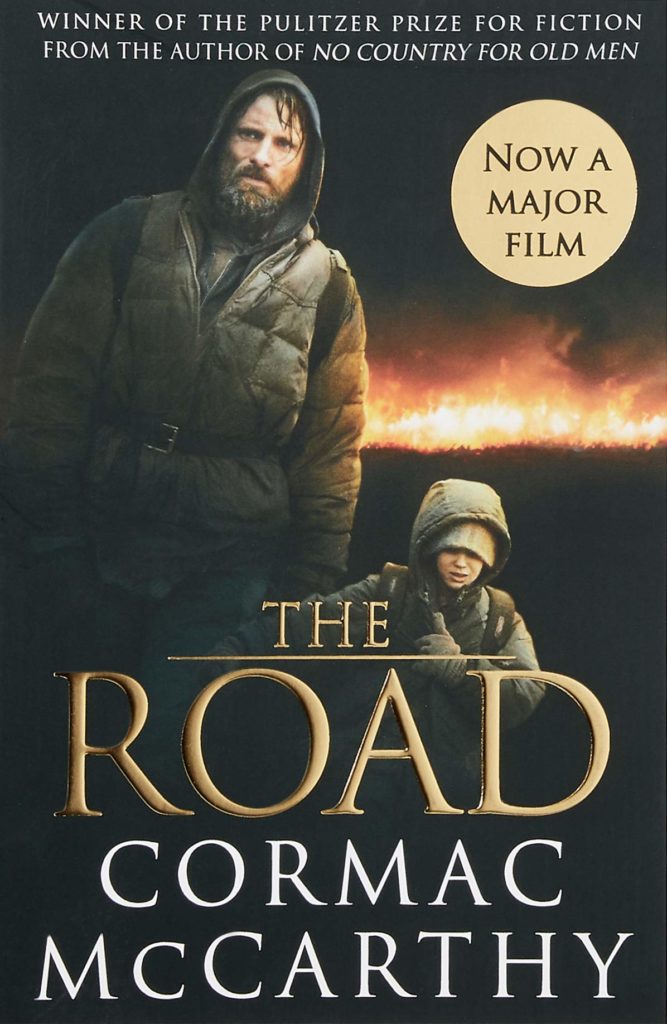
The Road was definitely my favorite book we read this year. I liked everything except the ending because I thought it was too perfect and happy. For this paper we chose our own topics. I chose the father son dynamic throughout the book because I thought Cormac McCarthy wrote their characters in a really clever way.