What is heavier, your intangible emotions or your tangible endless homework assignments? The soldiers at war struggle with carrying the intangible weight of their feelings on top of their tangible belongings. Each of the soldiers carry something from home, that gives them strength and bravery in the war, but they also carry the weight of their emotions, thoughts, and fears, which are, in a way heavier.
They each carried different tangible items with them. These items were “partly for the illusion of safety” (O’Brien 9), but they also gave the men a sense of hope that they would one day return home to the life they left behind. “Lieutenant Jimmy Cross carried letters from a girl named Martha, a junior at Mount Sebastian College in New Jersey. They were not love letters, but Lieutenant Cross was hoping, so he kept them folded at the bottom of his rucksack” (O’Brien 1). “Henry Dobbins Carried his girlfriends pantyhose wrapped around his neck as a comforter” (O’Brien 9). Some of them carried items because they had some kind of superstition about it, “Dave Jensen carried a rabbit’s foot. Norman Bowker… carried a thumb that had been presented to him as a gift from Mitchell Sanders” (O’Brien 12). Regardless of what the actual thing was that they were carrying, all the items had the same purpose, to give the feeling of safety and hope.
Along with the tangible thing they carried, they all carried their thoughts, feelings, and fears with them. “They all carried ghosts” (O’Brien 9). “Often, they carried each other, the wounded or weak” (O’Brien 14). “They carried the land itself — Vietnam, the place, the soil — a powdery orange-red dust that covered their boots and fatigues and faces. They carried the sky. The whole atmosphere, they carried it, the humidity, the monsoons, the stink of fungus and decay, all of it, they carried gravity” (O’Brien 14). “They carried their own lives. The pressures were enormous” (O’Brien 15). Everything they experienced in the war made an impact on their person, they had to carry each other to stay together. Carrying ghosts can refer to two different ideas, one being that they are carrying around the young innocent versions of themselves that they left behind at home, or that they are carrying the weight of the people they have seen die in the war. A big weight they carry is Vietnam, the country. It is important to notice that they specifically said they carry the country Vietnam and not the war. They are two separate things and not many people can really separate them. “The whole atmosphere, they carried it, the humidity, the monsoons, the stink of fungus and decay, all of it, they carried gravity” (O’Brien 14). To carry the weight of “the whole atmosphere” is a big statement. The effect of carrying this kind of weight in a war is detrimental to the human brain.
When the soldiers return home, the weight they carried during the war is still their. What makes the weight much worse is that they can not talk about it with anyone because nobody wants to listen to them. Norman Bowker is a great example of this. When he returns, he spends so much time alone in his car talking to himself about the war and his experiences until they eventually consume him and he takes his own life.
The weight of the intangible items were heavy in a different way than the weight of the tangible items, but even so they were heavier for the soldiers to carry. The brain in a complicated thing, and if you have seen and experienced terrible things, you will carry that trauma for the rest of your life. It can weigh you down emotionally, which can slow you down physically as well.
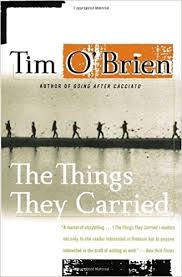
The Things They Carried was one of my favorite book from this year. This essay was compelling to me because thinking about intangible verses tangible weight is deep. In this essay I liked how I supported the quotes I used.