Dearly Beloved


My project is on the symbolic meaning behind Beloved and how this meaning caused Sethe to be able to take control of her life and regain her identity. In the book Beloved by Toni Morrison, Beloved is a representation of slavery. Many of Beloveds recollections about details of her life are full of brutality and show a lot of inhumane treatment. My model of the slave ship is an ideal depiction of how slavery makes up who Beloved is literally and figuratively and how her portrayal of slavery affects the characters of Bluestone Road.

Firsty, when creating the model I based the general shape of the ship on images found online of slave ships that crossed the Middle Passage around the late seventeen hundreds and early eighteen hundreds. Many images of the ships that appeared had a dark wooden boat structure with a main sail towards the stern a fore sail in the middle of the boat and three smaller jib sails at the bow.

After figuring out the outer structure, I found information on the internet about the different levels and interiors of the boat and used this to model the inside. What I found was that slave ships generally had two levels. The first level was divided into three sections. One of the sections was the captain’s cabin which was located at the stern, the main deck in the middle of the ship, and the forecastle at the bow. The next level of the ship which was below the first level only had one section. This section was called the hold and reached from the stern to the bow of the ship.

Following the structure of the interior of the ship, I needed to add the realistic details about the conditions that the slaves were kept in. When Beloved was asked by Sethe and Denver where she came from, she described the place as being cramped, dark and foul smelling, these descriptions allowed me to accurately cram the main deck section of the boat with models of slaves all packed in together. Quotes from the novel are placed on the deck of the boat to show the inhumane conditions and how slavery had traumatized Beloved and remains to be the only descriptions she knows about where she came from. Beloved only knowing gruesome details  like corpses laying next to the living, branding, and rape formed the basis of who she was. The human form of Beloved took full shape with the idea of humans enslaving other humans for their own benefits. Beloveds embodiment of slavery forces her mother, Sethe to recognize the pain from her past which was her act of filicide because of the imprints slavery had on her soul. Once she recognized her pain she was able to work through it and then come to terms with it by the help of her daughter Denver. This pained, slow reconciliation of history, that most notably Sethe worked through with Denver allowed for the two of them to come to terms with the events they lived through (enslavement) , and to no longer fear it. In the novel this happens when Denver calls on her community to help her mother break free from the bond slavery (Beloved) has on her. When the Cincinnati community helps Sethe’s stained soul she is fully able to move on from her past. Beloved who is slavery then returns back to the water which is interpreted as the rebirth of a new generation that is not controlled by the impact slavery had on them. By Sethe and Denver both acknowledging there pasts and not letting it define them any longer makes them the models of rebirth of a new generation in the novel that doesn’t forget what they have been through but doesn’t let it define them either.

Posted in Uncategorized | 2 Comments

Weighed Down

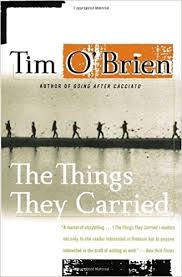
Not only do soldiers carry a significant amount of physical weight like their food, water, tents, weapons amongst many other things but they also carry an immense amount of emotional weight. The Things They Carried written by Tim O’Brien is a collection of linked short stories that are based on his experiences fighting in the Vietnam War. Soldiers often felt very pressured to fight in the war but very few wanted to. The majority of the men that fought in the war were drafted in. None of them really wanted to be there they just went out of obligation. They were afraid to disappoint their friends and family by not being brave or masculine or patriotic enough to fight the war. Throughout the book, O’Brien pays special attention to what each character carries. The soldiers carry physical, tangible items as well as figurite things. O’Brien often discusses the most prominent emotions in the characters; guilt and shame.

Guilt causes many of the characters that are caused by guilt. Norman Bowker was a gentle, or as gentle a soldier can be. He feels pressure from his father to be the picture perfect soldier and obtain as many medals as he can. Norman won seven medals in Vietnam, including the Combat Infantryman’s Badge, the Air Medal, the Army Commendation Medal, the Bronze Star, and the Purple Heart. He thinks about his father’s pride in those badges and then recalls how he almost won the Silver Star but blew his chance. “The truth,” Norman Bowker would’ve said, “is I let the guy go” (O’Brien 127). After the war Bowker is unable to talk to anyone about the war. This is the truth that he’s never been able to talk about. He let go of Kiowa. Despite his seven other medals, none of them count to him because he didn’t save Kiowa from drowning in the sewage field. However, Norman Bowker doesn’t feel guilty because he wasn’t able to physically hold onto him; he let go because of the smell. He never ended up forgiving himself for this. The only time he tries to communicate his emotions on the war, he goes to O’Brien who fails him and he ends up killing himself since he was never able to find a way to cope with what he’s done. Norman Bowker isn’t the only one who feels guilty over Kiowa’s death. Jimmy Cross also carries this weight. “He had loved Martha more than his men, and as a consequence Lavender was now dead, and this was something he would have to carry like a stone in his stomach for the rest of the war” (O’Brien 42). It’s hard to say if Cross is being rational in this statement. On one hand there’s no way his love for a woman has any correlation whatsoever with one of his men dying. On the other hand, his was the commanding officer and it was his job that him and his men made it through the day and he failed and he could of very well been distracted by Martha which could of caused him to lose his concentration which could of caused Kiowa’s death. Whatever the case may be, Jimmy Cross will always carry this weight with him.

Not only do the characters experience guilt and shame before the war but these feelings follow them into the war. Much to his own shame, Curt Lemon faints during his dentist visit. This is a big deal because Lemon is the resident daredevil and adrenaline junkie of the group. He comes across as fearless. “He seemed a little dazed. Now and then we could hear him cussing, bawling himself out. Anyone else would’ve laughed it off, but for Curt Lemon it was too much. The embarrassment must’ve turned a screw in his head” (O’Brien 7).  Following this incident, Lemon is so infuriated and embarrassed with himself that he proceeds to yell at himself out loud and to prove to himself as well as his platoon that he is ‘man enough’ and brave enough he goes to the dentist’s tent in the middle of the night and he insists on getting a perfectly healthy tooth pulled. The shame of this event would have been too much for him to handle.

Many of the characters in this novel, are haunted by survivor’s guilt. “I feel guilty sometimes…..I guess she’s right: I should forget it. But the thing about remember is that you don’t forget” (O’Brien 33). When the author of the book’s daughter asks him to write about something other than the war he responds with this. He is unable to write about other subjects because it is how he copes with his guilt. We can see that O’Brien still feels guilty for something that happened years prior. When talking about his first kill, O’Brien still has vivid memories of what happened. “All i could do was gape at the fact of the young man’s body….Sometimes I forgive myself, other times I don’t” (O’Brien 128). He is still haunted by what he’s done. “There were many bodies, real bodies with real faces, but I was young then and I was afraid to look. And now, twenty years later, I’m left with faceless responsibility and faceless grief” (O’Brien 129). No matter how much time passes, all the characters as well as the author will carry an immense emotional weight for the rest of their lives.

Posted in Uncategorized | 1 Comment

What They Carried-Critical Essay

What is heavier, your intangible emotions or your tangible endless homework assignments? The soldiers at war struggle with carrying the intangible weight of their feelings on top of their tangible belongings. Each of the soldiers carry something from home, that gives them strength and bravery in the war, but they also carry the weight of their emotions, thoughts, and fears, which are, in a way heavier.
They each carried different tangible items with them. These items were “partly for the illusion of safety” (O’Brien 9), but they also gave the men a sense of hope that they would one day return home to the life they left behind. “Lieutenant Jimmy Cross carried letters from a girl named Martha, a junior at Mount Sebastian College in New Jersey. They were not love letters, but Lieutenant Cross was hoping, so he kept them folded at the bottom of his rucksack” (O’Brien 1). “Henry Dobbins Carried his girlfriends pantyhose wrapped around his neck as a comforter” (O’Brien 9). Some of them carried items because they had some kind of superstition about it, “Dave Jensen carried a rabbit’s foot. Norman Bowker… carried a thumb that had been presented to him as a gift from Mitchell Sanders” (O’Brien 12). Regardless of what the actual thing was that they were carrying, all the items had the same purpose, to give the feeling of safety and hope.
Along with the tangible thing they carried, they all carried their thoughts, feelings, and fears with them. “They all carried ghosts” (O’Brien 9). “Often, they carried each other, the wounded or weak” (O’Brien 14). “They carried the land itself — Vietnam, the place, the soil — a powdery orange-red dust that covered their boots and fatigues and faces. They carried the sky. The whole atmosphere, they carried it, the humidity, the monsoons, the stink of fungus and decay, all of it, they carried gravity” (O’Brien 14). “They carried their own lives. The pressures were enormous” (O’Brien 15). Everything they experienced in the war made an impact on their person, they had to carry each other to stay together. Carrying ghosts can refer to two different ideas, one being that they are carrying around the young innocent versions of themselves that they left behind at home, or that they are carrying the weight of the people they have seen die in the war. A big weight they carry is Vietnam, the country. It is important to notice that they specifically said they carry the country Vietnam and not the war. They are two separate things and not many people can really separate them. “The whole atmosphere, they carried it, the humidity, the monsoons, the stink of fungus and decay, all of it, they carried gravity” (O’Brien 14). To carry the weight of “the whole atmosphere” is a big statement. The effect of carrying this kind of weight in a war is detrimental to the human brain.
When the soldiers return home, the weight they carried during the war is still their. What makes the weight much worse is that they can not talk about it with anyone because nobody wants to listen to them. Norman Bowker is a great example of this. When he returns, he spends so much time alone in his car talking to himself about the war and his experiences until they eventually consume him and he takes his own life.
The weight of the intangible items were heavy in a different way than the weight of the tangible items, but even so they were heavier for the soldiers to carry. The brain in a complicated thing, and if you have seen and experienced terrible things, you will carry that trauma for the rest of your life. It can weigh you down emotionally, which can slow you down physically as well.

Posted in Uncategorized | 1 Comment

The High-horse of American Morality

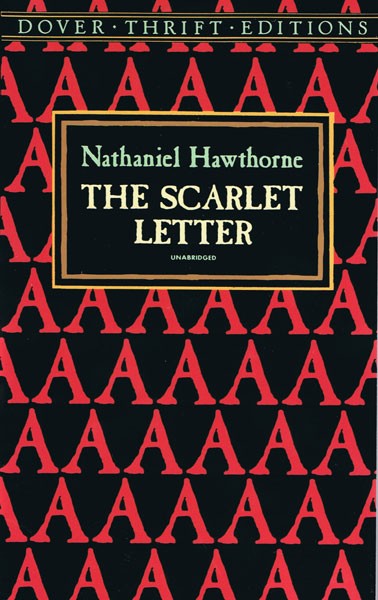
In both the The Scarlet Letter by Nathaniel Hawthorne and The Crucible by Arthur Miller, aspects of Puritan society are examined and portrayed to the reader. Though at first glance these novels seem to work together in criticizing Puritan morality, with further scrutiny it is clear that they simultaneously contradict and compliment each other. While Hawthorne uses the platform of literature to criticize Puritan society as a thing of the past, Miller uses Puritan society as an extended metaphor for modern American society. While both of these novels clearly portray flaws in the Puritan community, Miller has a more accurate and thorough understanding of Puritan society compared to the developing society of the modern United States. American society today is less moral than society during Puritan times due to the lack of strong community guidelines in our modern community, dissonance between personal and governmental values, and the fact that without a unifying factor of religion, no one can agree on what just exactly our morals are. Though society as a whole is less moral, individuals have the opportunity to be more moral due to their autonomy in making moral decisions and freedom to choose a individual set of moral codes.

In The Scarlet Letter, the strictness of Puritan values is clearly demonstrated over and over. Though Hester’s punishment could be seen as excessive or cruel on the surface, one must respect the fact that in this 1600s Puritan society in which the novel is set, morals and laws were interchangeable. Hester committed a sin, and she would be punished- she broke an important tenet and was immoral in the eyes of the authority figures, those who determine morality. In today’s society, laws and morality can rarely, if ever, be set equal. Governmental standards are so far removed from individual standards of morality that children are being separated from families and placed in concentration camps. The current president of the U.S.A. has pressed the boundaries of what is considered ‘moral’ to a point of no return. As Anne Applebaum explains in a New York Times article, “Trump’s admirers see no moral case: morality is for losers, apparently. Cruelty is for winners”(Applebaum). This is describing the concentration camps for immigrant children, and many other atrocities. This quote speaks to the lack of moral compass that our society has begun to show, and how even things that one might think of as horrifying, or atrocities, are now considered normal. As a governmental unit, current times is all around much less moral than Puritan times.

While one might use the Salem witch trials as an explanation for why modern American society is more moral, it is important to recognize that The Crucible was written as an allegory for a more modern time in our history: The second Red Scare, and McCarthyism. Miller actually uses this text to demonstrate why modern American society is no more moral than Puritan times, people will still follow that mob mentality, no matter how far fetched or simply wrong it seems (Miller, T). This shows further that we are not in fact more moral than the Puritans, but less as we have lost the thread of unity in their morals that the Puritans had.

When a society is united by group morals, the idea of moral dissonance is minimized. If all individuals have the same moral code, things can be judged as either moral or immoral, with no gray area. When a group has individualized morals, there is a chance that something that one person considers moral is actually immoral to another. For example, in the current climate of the United States, abortion is a highly contentious issue. While many groups see abortion as completely immoral and murder of an innocent child, others see the issue of forcing someone to carry a child to term as immoral. In this situation, no one is correct- both believe their personal sets of morals and no matter what happens, there is a miscarriage of justice through someone’s eyes. In theory, Puritan society would not have this problem.

Using this idea of moral dissonance, one can take a closer look at The Crucible. This play takes these ideas of a steady moral code, and shows how that doesn’t always work. In Act Two, John Proctor declares to Mary Warren “What work you do! It’s strange work for a Christian girl to hang old women!”(Miller 58). This demonstrates how community morals can somehow be twisted, and even more it shows how significant of a piece religion plays in the morality of a community. The basis for Proctor’s declaration of immorality of Mary’s actions stems from religion- Mary is betraying her religion and the moral code that comes with it in her actions. In this same vein of religiosity and morality appears The Scarlet Letter. “Heaven would show mercy,” rejoined Hester, “hadst thou but the strength to take advantage of it.” (Hawthorne 110). In this quote, Hester is telling Dimmesdale that the religion itself is merciful, if Dimmesdale would accept it. This shows Hester using religion as a tool of mercy and morality. When religion is used to encourage morality, people are more apt to follow due to the deeply personal connection of humanity to religion. Having a moral code of religion can help a society stay true to morals, and the conflicting morals of separate religions makes a consistent moral stance impossible.

Overall, Puritans hold moral high ground over modern American society due to the unity of their morals, the intertwinedness of their personal morals and governmental, and their strong connection to religion. Though as a community Puritans are more moral, Americans today have the ability to be more moral due to the autonomy to make their own decisions. Having the choice to make your own moral decisions lets every individual concoct their own personal set of morals.

References:

Hawthorne, Nathaniel. The Scarlet Letter. Millennium Publications, 1850.

Miller, Arthur. The Crucible. Penguin Plays, 1996.

       Applebaum, Anne. “In Trump’s world, morality is for losers.” Washingtonpost.com, 20 June  2018. Global Issues in Context,

Miller, Tara. “The Crucible: Mccarthyism And A Historical View Of Witch Hunts”. Owlcation, 2018, https://owlcation.com/humanities/The-Crucible-McCarthyism-and-a-Historical-View-of-Witch-Hunts. Accessed 28 Dec 2018.

Posted in Uncategorized | 1 Comment

Heavy Backs and Heavy Minds

Take a couple of seconds and think about: “What does a soldier carry”? Well, there are multiple answers to this question because a soldier carries many things. Some of your first thoughts might have been a backpack or some type of weapon, and although those are true soldiers carry many intangibles. In the wartime novel The Things They Carried by Tim O’Brien, the soldiers throughout his story carry feelings of grief, shame, love, heartbreak, innocence, and friendship. All the feelings that these soldiers carried amounted to a type of weight that obtained their mind and body. Each soldier carried different emotions but, they were all affected and had to ease the heaviness of their feelings by figuring out a way to cope with their emotions; some soldiers told stories, figured out how to escape the war, sought revenge or committed suicide.

One of the soldiers in the novel is a young medic named Mark Fossie who carries heartbreak from the “death” of the love of his life. Mark was deeply in love with a girl named Mary Anne Bell who was his girlfriend ever since grammar school.  While at war Mark becomes lovesick and decides to fly Mary Bell to visit him. When Mary Anne Bell first arrived in Vietnam she was described as: “This seventeen-year-old doll in her goddam culottes, perky and fresh-faced, like a cheerleader visiting the opposing team’s locker room. Her pretty blue eyes seemed to glow.” Mary’s description depicts her young, innocent self not yet tainted by war. However, just a couple days after she arrived, Mary starts to become intrigued by the war, and the adrenaline buzz it gives her. As Mary Anne Bell performs more war duties like joining the medics plugging up holes or learning how to use an M-16 she began to change and Mark observed that “her body seemed foreign somehow–too stiff in places, too firm where softness used to be. The bubbliness was gone. The nervous giggling, too.” This observation that Mark makes shows the effect war can have on someone. As Mary is exposed to ambushing and sneaking around in the jungle, her personality completely transforms. Mary becomes enthralled by the entire war and land of Vietnam; she is now one with the jungle and her personality shows it: “There was no emotion in her stare, no sense of the person behind it” (O’Brien 105).  The love of Mark Fossies life was a completely different person, though her body was still the one he knew, her mind was deep in the jungle. Mary’s transformation broke Mark Fossies heart, “the grief took him by the throat and squeezed and would not let go” (O’Brien 100). Mark could not deal with the “death” of who Mary was and did not want to let her go, but trying to transform her back drove him insane. Mark would stay up all night: “He looked sick. His eyes were bloodshot; his skin had a whitish, almost colorless cast.” (O’Brien 103). Mary was gone and Mark had a hard time coping with the fact that the war had changed her and this was detrimental to his health.

Shame and guilt are also very apparent throughout the story and affected Tim O’Brien and his decision to not run away from the war. In the chapter, “On The Rainy River”, readers learn that Tim is stuck between the choice of heading to Canada to escape war or to partake in it. To Tim, the war seemed wrong and he wanted no part in it, but since he was drafted he had an obligation to his nation to fight. Even if fighting was his obligation Tim felt he was not fit for war and often thought to escape to the Canadian border since his hometown of Worthington, Minnesota was not too far from it. One afternoon, Tim went up to Rainy River, the river separating the United States from Canada and was about to leave his family, friends, and whole life behind to run away from Vietnam, but he could not risk the embarrassment. Tim tried to run away because he believed this was morally right but “It was as if there were an audience to my life, that swirl of faces along the river, and in my head, I could hear people screaming at me. Traitor! They yelled… I couldn’t endure the mockery, or the disgrace, or the patriotic ridicule” (O’Brien 57). The swirl of faces that O’Brien imagined convinced him to head back home and accept his fate of heading to war. The lack of bravery that Tim displayed up at Rainy River is why he feels so shameful. Tim is overly upset with himself that he submitted to war and would maybe die all because he was too embarrassed not to. Tim manages his shame and guilt about his decision by writing war novels like The Things They Carried which allows him to express his feeling and not have to bottle them up inside.

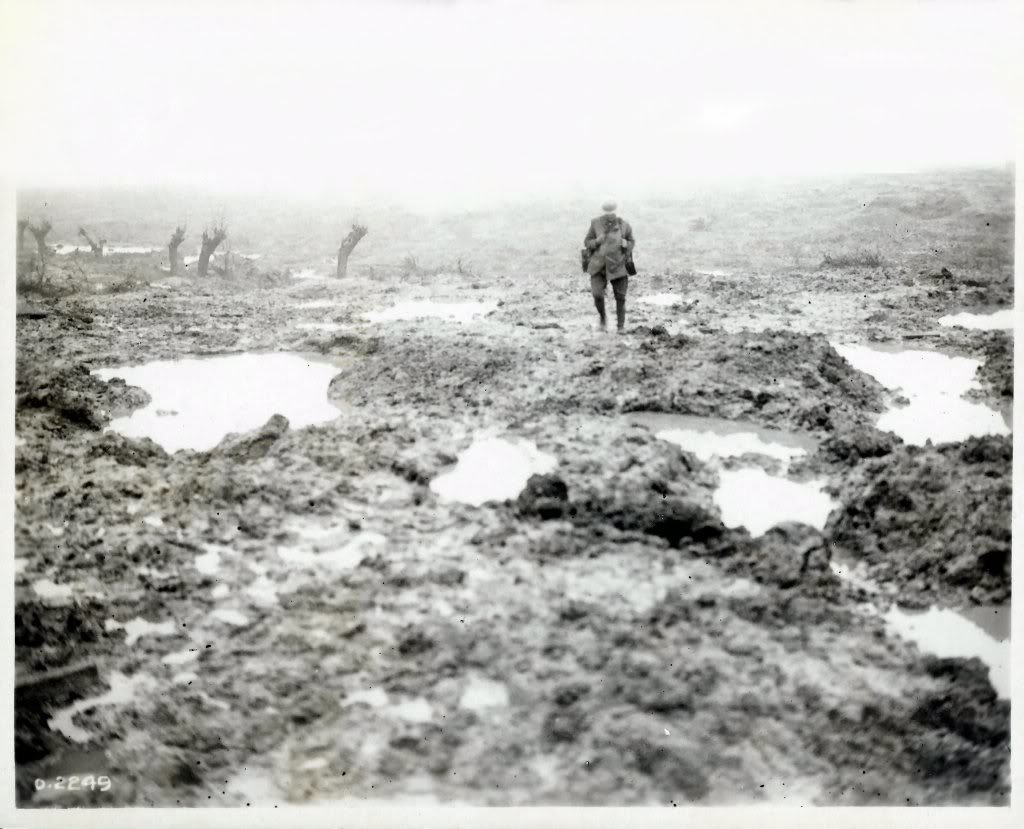
Norman Bowker is a character who is unlike Tim and has a hard time expressing his emotions. Norman is an important character in the story who feels that Vietnam robbed him of his will to live. While in Vietnam, Norman along with Tim and other men in the Alpha Company were under mortar fire in a shit field. During the morters one of Normans friends Kiowa began sinking into the muddy field, Norman crawled over to Kiowa and tried to pull on his boot to get him out but most of Kiowa was already fully submerged. Norman was not able to save Kiowa that night and never forgives himself for it. In the chapters “Speaking of Courage” and “Notes”, O’Brien describes how Norman felt trapt returning home from the war with pain and guilt because he felt he had killed his friend. When Norman returns home, he tries to help ease the emotions he is dealing with by telling his story to someone but he does not know who would want to hear a sad story like that. On page 146, Norman tries to tell the intercom guy about Kiowa at a fast food drive through but becomes overwhelmed by his guilt and decides not to. After this attempt, Norman felt hopeless that “there was nothing to say. He could not talk about it and never would. The evening was smooth and warm” (O’Brien 147). Norman is essentially unable to cope with the idea that he killed Kiowa because he was unable to pull him out of the mud. The pain and grief from this war experience eventually took hold of his mind: “There’s no place to go. Not just in this lousy little town. In general. My life, I mean. It’s almost like I got killed over in Nam… Hard to describe. That night when Kiowa got wasted I sort of sank down into the sewage with him… Feels like I’m still in deep shit.” (O’Brien 150). Through this quote, it is clear that Norman has constantly felt trapped by the pain and grief of Kiowa’s death and that he had nowhere to escape to and no one to truly understand what he has gone through leading him to commit suicide.

The Vietnam War caused the soldiers to continually carry intangible emotions with them that were caused by all their experiences. Each man coped with the emotions they had to carry in different ways but in the end, every man was never the same again because of the war they experienced. Mark would always feel the heartbreak from losing the love of his love, Tim would always carry the weight of shame for not being able to stand up against the war, and Norman will die feeling with the pain and grief that he killed his good friend Kiowa.  

Posted in Uncategorized | 2 Comments

The Weight of Not Being Wanted

I will always carry the weight of knowing that my own father chose to not do his only job and be a parent to my brother and me. As I’ve gotten older I have learned that this part of my life doesn’t define me but it hasn’t always been that way.

For my first four years of my life, I had two parents and a brother who loved me and we were a very close family. When my parents split up when I was around four, the only thing that changed was that my Dad no longer lived with us. He would still pick me up from the bus stop with a smile on his face and a warm hug. I remember feeling a sense of pride when he would be waiting at the bus stop with his brand new car (he worked for a car company and got a new rental every few months)  and my classmates would all gather at the windows with the best view and they would all ask in awe if that was my dad and I would always be thrilled that he was picking me up. He would still come to my hockey practices at the crack of dawn, he would still come over for dinner some nights, and he would even come back to the house and stay with my brother and me when my Mom had to go out of town on a business trip. For the first few years after the divorce, he was a good dad. He was there when we needed him to be and that’s all we ever wanted from him. My brother and I used to be so happy spending weekends at his one bedroom basement apartment. There was only a TV, a pull out couch, a queen sized bed and a fold up table, but it was more than enough. We never asked for much; the simple things were what mattered.

It was a gradual process. I remember the first time he didn’t come over for Christmas morning. We used to call him first thing when we woke up and he would come over and we would all open gifts together and then spend the rest of the day together as a family. I was seven years old when I asked my mom why Daddy wasn’t coming anymore. I remember feeling like I had done something wrong or it was somehow my fault that he chose to spend Christmas with his new girlfriend and her daughter instead of me and my brother. Slowly but surely he stopped coming to everything that was important until I barely saw him anymore.

I always felt as though it was somehow my fault that my dad chose not to be a father to me. It hurts knowing that he’s not in my life but also knowing that he is a good dad to the two other children that he has. For a long time I blamed myself for this. I had this voice in the back of my head constantly asking, “Why aren’t I enough?”, “What did I do to make you not want me?” When I was younger I used to stay up at night wondering what was going on. I didn’t understand. It had nothing to do with my self-worth at all, it was my fathers shortcoming. It wasn’t until recently as I’ve gotten older, that I’ve come to terms with the fact that his decisions are not related to my feeling of self-worth. He made mistakes and he’s never had the maturity to own up to them and fix them, instead he pushes it to the side and hope it will resolve itself and turn out for the better. I’m a lot like him in that regard, I also push things to the side. Despite the fact that there is undoubtedly some characteristics I got from my father, I will never make the same mistakes he has. I will be a better person than that and maybe someday a parent. Even though I have come to this realization, I will always carry the weight of knowing that my own parent abandoned me. It no longer defines me. I am no longer in a constant state of anger that was a mask for how sad I truly was. There are some days where those questions are posed more frequently than others, but that’s okay. I’m still learning how to balance the weight.

Posted in Uncategorized | 3 Comments

The Protest

There was tension in the air as the citizens arrived. At dawn the first people gathered in hushed voices, hurriedly passing messages through the quickly growing crowd. From all forms of transportation more people poured, and flooded the square with a buzzing anticipation. By noon the crowd was well assembled, and people packed tightly into any available space. And with the chime of a clock, the masses began to come alive, surging forward with the energy of those who had been wronged.

Every second that ticked by was thick with uncertainty. Slowly, people began to breathe again, and began to chat under their breath, sharing stories of anger and misfortune, of memories of peace, of hope.

At least one thousand people had gathered into one pulsing mass of life and anger. At the front of the procession were the most angry, overflowing with bitterness and a need to be heard. Above them the sun glared dismally, not a single cloud in sight to protect them from the harsh glow.

By three o’clock the press has arrived, and packed any remaining space. They have come to capture the inevitable conflict, circling above the heads of the protesters like vultures, time ticks by, and the impatience of the reporters shows. As time continues to crawl, tension builds in the air, and all at once it feels as though one collective breath has been taken.

The people breathe as one, hope as one, and move as one, as once again they press forward towards the opulent building in front of them. Step by step, they approach their destiny, their oppressor, their potential end, and though many of them are scared, not one has any misgivings for what they are about to do. The bitterness seems to overflow as the observers watch with bated breath, and each minute feels more and more treacherous.

Suddenly there is a yell that echoes over the sea of people, and an understanding has been reached. As one, they move forward, aggressively this time, screaming and flailing as they reach the gates to the building and start to push through, fists flying and emotions high. The protest has begun.

Posted in Uncategorized | 1 Comment

Gatsby Imitation

There was always laughter and joy coming from her room. In the depths of her own little world, there was nobody to tell her what to do and what not to do, there was nobody to tell her who to be and who not to be. Inside her space, the music freed her, let her express herself how she wanted to, and let her be the most authentic version of herself. Through the door of her room was where her personality could come forth and be seen, it was where she could be honest with herself and know herself for who she was. And behind that door was a girl trying to build the courage to free her biggest secret and display the purest version of herself for the world to see.
Every day when she stepped out of her small safe space, it seemed as though she shoved everything she was into a box and locked it in the closet, only to be unpacked when she was alone in her room again. The fear she felt when she thought about how the world would react overwhelmed her.
At least in the craziness of the world she lived in, there was one person she let into her safe space, Brian, her best friend. Within their friendship they had built an unbreakable bond of trust and that is where her secret was kept safe for a long time. Over time, she began to accept this secret as being a part of her and realized she would have to tell the people she loves the most in order to show them her truest self.
By early evening her mom and dad have arrived at home and settled down into their normal routines. Before she’s able to work up enough courage to go tell her parents her biggest secret her body has frozen, in thought and movement, out of fear, but as she joins her parents in the living room, she is calmed when she notices Brian there to support her, however, as she goes to sit on the couch, her mind and heart are racing as she tries to remember all of the points she wanted to mention. She regathers her thoughts and tells her parents her biggest secret.
Ever since she told her parents, she feels her safe space has become her whole house, not just her small room. Her now bigger, brighter, and happier safe space is freeing in a way her small room never was. She is able to express who she is completely and share it with the two people who always have and always will love her more than anyone else in this world.
Suddenly, after working up the courage to tell her aunt, a giant bomb is hurdled into her world. It seems as if her heart exploded into a million tiny little pieces and she can’t find them without the help of Brian and her parents. The hard to swallow reality that not everyone will accept her with open arms has begun.

Posted in Uncategorized | 1 Comment

Hester’s Blessing

When most people see babies they connect them to something in their own inner nature that is pure, vulnerable, helpless, and uncorrupt. However, in the Scarlet Letter, by Nathaniel Hawthorne, Pearl is seen by many as a demon or devil-child because she is the embodiment of her mother’s sin. Hester, Pearls own mother “couldn’t help questioning, at some moments, whether Pearl was a human child.” This leads many to wonder,  is Pearl a blessing or a lesson for Hester? Though Pearl did clench her fist and harden her features at her mother. What child doesn’t throw a temper tantrum? Although Pearl does get mad, she is a blessing for her mother by protecting her, connecting Dimmesdale to be with her, and gives Hester a new outlook on life.

Pearls genuine palpable self is shown when she helps protect her mother against the townspeople in their Puritan society who stare at and taunt Hester as a result of the scarlet letter. One day while Hester was walking through town with Pearl,  a group of children saw them and began to fling mud at them. Pearl is protecting her mother by scaring away the children who are coming after her and Hester:

“But Pearl, who was a dauntless child, after frowning, stomping her foot, and shaking her little hand with a variety of threatening gestures, suddenly made a rush at the knot of her enemies, and put them all to flight. She resembled, in her fierce pursuit of them, an infant pestilence, … She screamed and shouted, too, with a terrific volume of sound, which doubtless caused the hearts of the fugitives to quake within them. The victory accomplished, Pearl returned quietly to her mother, and looked up smiling into her face.” (Hawthorne 92).

Pearl charges at the indecent children herself to defend her mother against a group of children who wanted to fling mud at them. Pearls actions to dart at the children with a face full of fury saved her mother from further humiliation, this shows just how benevolent Pearls heart is. Pearl not only protects her mother from devilish children, but also from the Devil himself. Since Hester had sinned, her mind heads to a dark place and she wonders if she is connected to the devil. Hester asks herself, “Art thou like Black Man that haunts the forest round us? Hast thou enticed me into a bond that will prove the ruin of my soul?” (Hawthorne 69). Hester questions the Black man and her bond with him but never goes to see him. Hester later on in the story says to Mistress Hibbins that she would go see the Black man if Pearl wasn’t in her life. Hester’s response to Mistress Hibbins shows that if Pearl wasn’t in her mother’s life, Hester would go to see the Black man in the woods and sign her soul to him. Pearls presence in her mother’s life of despair protects her from going insane and bestowing the devil with her soul. These two illustrations show how Pearl’s presence and actions are beneficial towards protecting her mother’s life.  

Pearl not only guards her mother against harm’s way but connects her with her lover Dimmesdale. Throughout the story, Hester and Dimmesdale share an unspoken love for one another. The two can’t be together because if the public finds out punishments will be presented upon Dimmesdale.  However, Pearl brings Dimmesdale and Hester together by showing love for Dimmesdale and making him feel wanted in the family. Dimmesdale feels the love of Pearl when the narrator describes how Pearls watching him. “Even the poor baby, at Hester’s bosom, was affected by the same influence; for it directed its hitherto vacant gaze towards Mr. Dimmesdale, and held up its arms, with a half pleased, half plaintive murmur.” Pearls love for Dimmesdale is shown in this quote. This connects to Dimmesdale and Hester’s love because it shows Dimmesdale, the yearning affection his “family” has for him. When Dimmesdale is shown this, it affects him emotionally (Hawthorne 61). His emotion wraps him in and he then comes to realize how much Hester and Pearl mean to him too.  Pearl being born was a blessing to Hester because Hester was able to be with the man she loved, and not someone she didn’t love like Chillingworth. The narrator shows in chapter six how Dimmesdale and Hester were pulled together because of Pearl’s birth by saying, “ We have as yet hardly spoken of the infant; that little creature, whose innocent life had sprung, by the inscrutable decree of Providence, a lovely and immortal flower, out of the rank luxuriance of a guilty passion.” (Hawthorne 81). Dimmesdale and Hester’s “guilty passion” created Pearl, which leads to a blossoming in Dimmesdale and Hester’s relationship because without Pearl they wouldn’t have accepted their love for one another.

In addition to Pearl connecting Dimmesdale and Hester together, she blesses her mother by giving her a new outlook on life. Throughout Hester’s life in the Puritan society, she has been an outcast, but Pearls companionship has brought her joy and love. Pearls name is a direct correspondence to the deep affection Hester has for her daughter by naming her because she was “of great price, — purchased with all she had,– her mother’s only treasure!” (Hawthorne 80). Hester’s most prized possession is Pearl and her name exemplifies this perfectly because it shows how Hester’s life revolves around her child and that she would do anything for her. After the cheating scandal came to life, and Hester stood on the scaffold, she had no one to comfort her or be there for her. Ever since Pearl had begun to grow she becomes more loving to her mother and the two are always together. Hester is affected by this because she is then allowed to have the ability to love again, and has someone to rely on in her life even if it’s just her child. Hester says “She is my happiness!– she is my torture, none the less! Pearl keeps me here in life!” (Hawthorne 101). Hester becomes so in love with Pearl that she says “Ye shall not take her! I will die first!” in saying this Hester illustrates her love for her daughter and that she won’t let anyone take her happiness. (Hawthorne 101).

Pearl is a blessing in her mother’s life and has protected her mother from devilish children and the persuasive force of the Black Man. Pearl is a pure individual who has a gracious heart and has made certain choices that have brought peace and sanity back into her mother’s life. Pearl does this by protecting Hester, connecting her back with Dimmesdale, and giving her a new positive outlook on life that enabled her to love again.

Posted in Uncategorized | 2 Comments

Intentions: Friend or Faux

By Sam Gumprecht

There are always two parts to a story, the motives or intentions and the actions that follow suit. In the novel The Great Gatsby the author, F. Scott Fitzgerald, compares the effects of intentions to the outcome, in multiple situations. Intentions can mean the difference to whether a criminal receives fourteen years or a minimum of twenty-five years in prison. They can also be the deciding factor of war or terrorism. It depends on if someone was fighting for a cause with a country or against a country. Corruption of bonds, illegal sale of liquor and allegiances with mobs, all sound like someone who deserves to be in jail. Yet Jay Gatsby, the man so belovedly dear to american literature, isn’t soiled by these acts, he is seen as good. He is painted in a positive light because of his intentions. Intentions determine the outcome of many situations, and they determined the greatness of Gatsby.

The young, beautiful kryptonite of the main character, Daisy Buchanan, is the apple of Gatsby’s eye. Daisy could do no wrong in the eyes of Gatsby even if it came to killing someone. On the way home from a day out in the city, Daisy was driving Gatsby’s shining yellow car. As she drove past the unassuming shop of the Wilsons, she slammed into Myrtle the mistress of her husband. So why were there no handcuffs and jail for Daisy? Because Gatsby takes the fall for her. Other than being madly in love with her, why would Gatsby blindly take the fall even though he witnessed the crime? Her intentions is why; they were not that of murder. She had no plans of hitting poor Myrtle, she had no clue that she was even the women her husband was cheating on her with. So based on the backstory of her intent she was able to get off clean.

In another circumstance of Daisy, intentions can be the deciding factor of other people as well. As readers we see a hopeful love story blooming between Daisy and Jay. Gatsby knew the day would come where they would live happily ever after from the moment he first kissed her. “He knew that when he kissed this girl… his mind would never romp again, like the mind of God” (Fitzgerald 111) he knew very well he would be changed by Daisy’s presence in his life, he just didn’t know how much he would change himself.  Gatsby anxiously awaits the moment Daisy will leave her smothering husband for him, but by the end of the novel it seems he has waited for nothing. Daisy’s true intentions were divulged and they were far from what we expected, she had never planned to do anything about her two love affairs. Daisy was very good at masking her intentions and putting up her facade. Until Tom Buchanan, her husband, finds out what’s really going on “she realized at last what she was doing–and as though she had never, all along, intended doing anything at all” (Fitzgerald 132). She wasn’t planning on saying anything, she was planning on living a double life, one with Gatsby and one with Tom.  We as readers dislike seeing this side of her because she isn’t the same girl Gatsby paints a picture of. Daisy had played Gatsby and the readers, and kept her intentions buried. She had played a perfect part and kept her facade till her planned failed and the news broke she wasn’t leaving Tom for the “Great Gatsby”.

The most important involvement of intentions in the whole novel would be the “great” Jay Gatsby and his life story. All of his adult life Gatsby has been trying to regain the love of his life and doing anything, literally anything, to do so. Gatsby the seemingly kind hearted, wouldn’t hurt a fly type of man was in reality a mobster. In order to make his riches, build his new identity and in turn win back the love of his life, he commited corrupt deeds. Yet why does America still view him as the “great” Gatsby? As Cohen explains in his article “what makes him a masterful literacy achievement rather than a two-bit criminal, is the driving force behind his well orchestrated rise:… jilted by the most popular girl in louisville … he spent a lifetime working to get her back” (Cohen 2). Good intentions were able to wipe his slate clean. We as readers strongly detest the thick facade he plasters over himself but yet we still love him because his intentions are so pure. They are the same as when he was a young man just building himself up. Instead of five push-ups to get where he wanted to be it changed to illegal actions. Even Nick Carraway, the most honest character in the whole novel, supports his every move though knowing his past. This is because to focus on those simple illegal acts would be completely ignoring his life goal of getting the girl, he “paid a high price for living to long with a single dream” (Fitzgerald 161). We all pity his long journey for love and how he spent his whole life changing. Everyone in the story is simply captivated by him because he does everything humanly possible to put forth the best version of himself, which is a very human trait, he just takes a different route to get there. Jay Gatsby is still considered a good man because he wasn’t a criminal out of malice but rather love.

So do intentions really matter? What is the deciding factor between an accident or murder? Does doing it for love change the significance of the actions? The Great Gatsby is a stellar piece of literature used to examine these difficult moral questions. Jay Gatsby is a perfect example of how intentions can change how your actions are viewed. In American literature, he is seen as a good person not a criminal. We never truly hear about his terrible crimes he committed to become rich, simply because he did it out of love. So the answer is yes, intentions matter because they can either send you to jail or make you a “true literary achievement”.

Posted in Uncategorized | 1 Comment