The Great Gatsby analytical essay
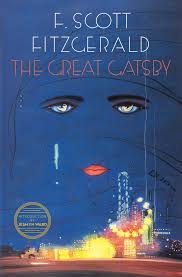
Everyone has a goal in life. Everyone has a dream, a plan for how they want the future to be turn out to be. We do everything we can think of to make this dream future a reality. In The Great Gatsby by Scott Fitzgerald, the narrator Nick Carraway observes Gatsby while living next door. He learns the truth about his past and gets to know the real Gatsby. Gatsby has a facade that he puts on for many people around him. Rumors fly around about his past and he gains mysterious reputations. The more Nick hears the more skeptical he is of the rumors. As he followed Gatsby around and became a pawn in one of Gatsby’s plans to reunite with his long lost love, he learns a lot about him. By the end of the novel Nick comes to a conclusion, “Gatsby believed in the green light, the orgastic future that year by year recedes before us. It eluded us then, but that’s no matter– tomorrow we will run faster, stretch out our arms farther…and one fine morning––”(Fitzgerald 189). Nick’s final iconic observation is significant because it points out that mankind lives for the journey; we are always trying to reach a goal in the future to make our lives about, but really our lives are about the journey and experiences that take place before we get there.
A theme that is carried out throughout the novel is that life is a journey and about chasing a dream. At the beginning to the story Gatsby has a goal and those around him in the society have goals too. They want money, fancy parties, status in society, they want love, happiness, and friends. From the beginning when Nick met Gatsby, Gatsby was already trying to set him up with a new job in the city. Nick was never the person to fall into the social ranking of society. He walked into every situation with wide eyes and made many observations. Gatsby threw large parties that were for high class people and it was a privilege to be able to go, but he had his own goals. Many people attended his extravagant parties, but never the one girl he always hoped would show up. Despite the hardships each of the characters faced and the struggles they endured in the strict and highly classified society, Nick says, “so we beat on, boats against the current borne back ceaselessly into our past” (189). This observation highlights the struggles each character goes through as they try to reach their dreams. Gatsby puts everything into his idea of the perfect life; he wants Daisy so badly he ignores everyone around him. He works so hard for her, but in reality he ends up dying without her. Nick points out that our focus should be on the life we are living. Everyone spends the majority of their life with a goal and once we reach it we have another goal, we are always improving and wanting life to be better, easier, more perfect. We remember a moment of a memory and imagine that as the rest of our life.
Gatsby remembers when he first met Daisy a year ago, he has an image in his mind of the perfect life with her. The more he pushes for her the more Nick warns him. In a conversation between the two of them, they say, “‘I wouldn’t ask for to much of her?’ [Nick] ventured. ‘you can’t repeat the past.’ ‘Can’t repeat the past?’ [Gatsby] cried incredulously. ‘Why of course you can!’” (Fitzgerald 116). Nick knows that this idea Gatsby has is a dream and can never be anything more. Gatsby is convinced it will become his reality, it has to, it is the one way he sees happiness for himself. He spends all his energy trying to impress Daisy. Gatsby asks Nick to invite them both over at the same time so he can see her again; Gatsby later asks Daisy to admit that she never loved Tom, the man that she was currently with, and only ever loved him. This idea of the perfect life is set on a pedestal and is the reason everyone is living. They all have a future goal, a ideal life that they work for, Gatsby does everything in his power to repeat that moment in his past when he was truly happy and in love.

To reach this moment again requires hope, determination, resilience, effort and perseverance. Gatsby spent years waiting for Daisy, she never came, but he never gave up. After the accident when Daisy was inside with Tom, Gatsby sat waiting for her even though it was clear she was in no danger and never leaving Tom again. Nick, our narrator, observes Gatsby, “He put his hands in his coat pockets and turned back eagerly to his scrutiny of the house, as though my presence marred the sacredness of the vigil. So I walked away and left him standing there in the moonlight–watching over nothing.” (Fitzgerald 153). Despite the reality Gatsby continues to watch over and wait for Daisy. A short time later Gatsby dies, he never accomplished his dream, he worked so hard his entire life to find that happiness, but failed. “Daisy hadn’t sent a message or even a flower” (Fitzgerald 183). Daisy and Tom are gone, they moved on forgetting Gatsby completely. Nick points out that despite the outcome, Gatsby’s life was not a waste, it is truly about the experiences he went through during his life. “Gatsby believed in the green light, the orgastic future that year by year recedes before us. It eluded us then, but that’s no matter–” (Fitzgerald 189). He had hope and determination, he tried so hard to get Daisy, and even when it was clear that she was gone Gatsby continued to wait for her.
Gatsby and his friends spent the whole novel trying to belong, trying to be special, be better than everyone else, and reach this ideal life fastest, but no one ever actually belonged. This was a story of the differences between the East and the West. As much as they all wanted to be a part the East Nick says, “I see now that this has been a story of the West, after all– Tom and Gatsby, Daisy and Jordan and I, were all westerners, and perhaps we possessed some deficiency in common which made us subtly unadaptable to Eastern life.” (Fitzgerald 184). No one ever belonged and was never going to. They all had to leave at some point but that doesn’t make the time they were here a waste. They all learned from it and the skills that were required showed the true side of each character in this story. Gatsby kept coming back to a green light, by the end, that green light can represent anything, but most importantly it represents the hope and determination of Gatsby. Without a journey there would be no story.
Nick Carraway can see that, he says “…tomorrow we will run faster, stretch out our arms farther and one fine morning––”(Fitzgerald 189). Everyday we reach to be better, we want to get closer to the end. Even today, we go to school, so we can go to college, so we can get a job, so we can make money, have a happy family and live our dream lives. We are continuously trying to reach a goal and catch our dreams, but really we are just living life.