245 years since the founding of the “great” country of America. 245 years, forty four White male presidents, one Black man. Zero women. 232 years for the “great” country of America to elect someone of color to the highest position of power. 141 years for the “great” country of America to elect the first woman to congress. 244 years for the “great” country of America to elect a woman as vice president. ___ years for the “great” country of America to elect a woman as president. ___ years for the “great” country of America to elect a member of the LGBTQ+ community as president.
America is a rusty and broken machine, covered in a thin layer of peeling gold paint. Except, that paint is only visible to the White men in power. The rest of us? That rusty old machine peeked through a long time ago. It’s not our fault you can’t see it.
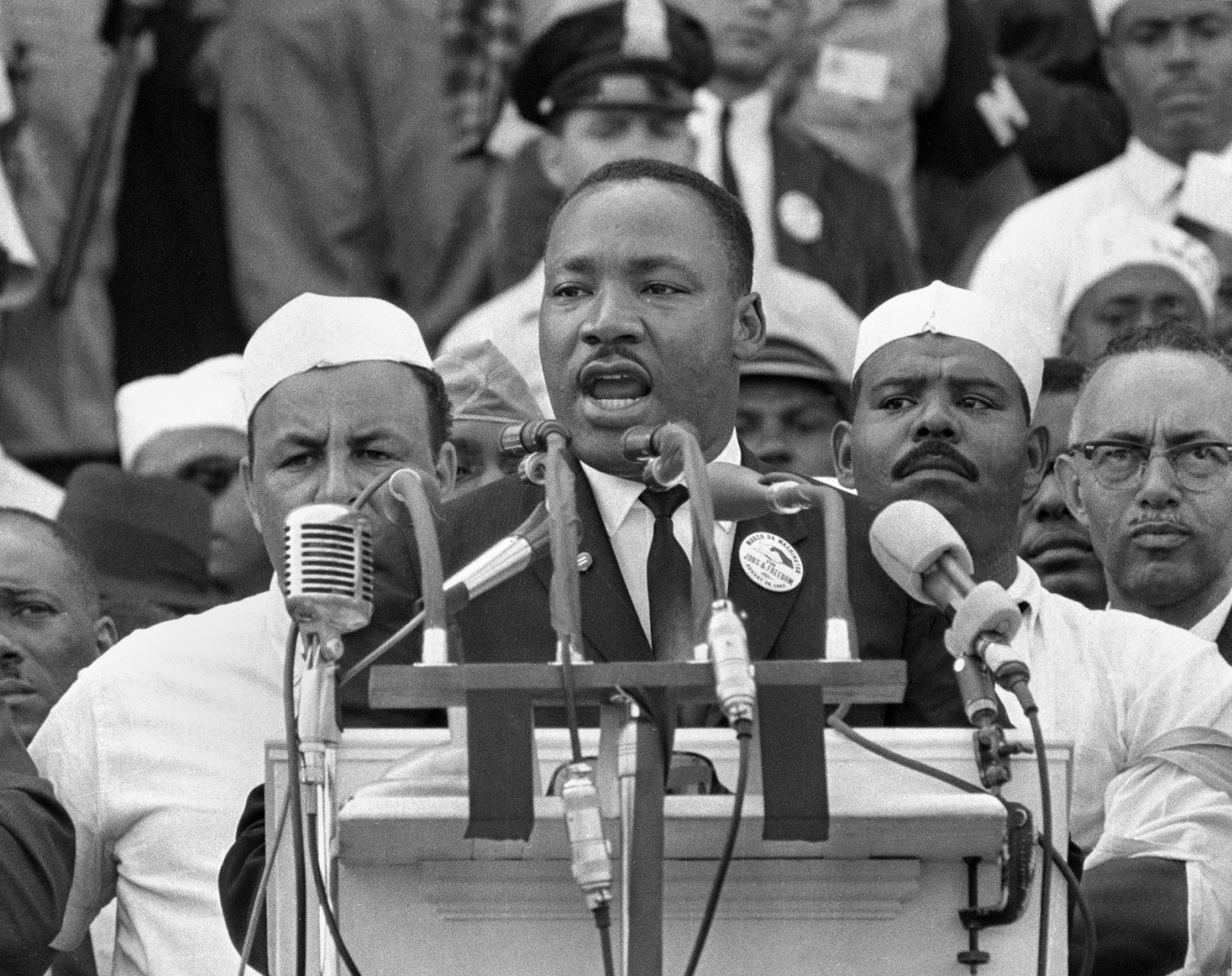
I have a dream, too.
I have a dream that, one day, mothers across the country won’t have to sit in silence—like mine did—when their young daughters ask them why women aren’t allowed to be president. Believe me, their daughters will remember that conversation. Believe me, their daughters will lay with them and sob as they watch the first woman elected as vice president of the “great” country of America. Believe me, they’ll do it again as they watch her inauguration. Believe me, they’ll sob harder when they realize that a woman still hasn’t been elected president.
I have a dream, too.
I have a dream that, one day, nobody will have to listen to catcalls as they walk down the street. It is terrifying that feminine presenting people are taught from a young age—often inexplicitly—that you don’t drink too much if you go out at night, you don’t wear the wrong clothes, you don’t say the wrong thing. You don’t, you don’t, you don’t. What can we do? It is terrifying that we have conversations with our friends at age fifteen about our fear of going to college—with three years still to go—and being raped or assaulted on the street. It is terrifying to watch our male classmates repost videos on their Instagram stories about how rape/assault/harassment/*insert form of violence here* statistics are false, misleading, attention-grabbers.
I have a dream, too.
I have a dream that, one day, we won’t have to watch our friends shrink into themselves as they come out to us. Won’t have to watch them become themselves again as they realize that they have gained the absolute bare minimum of our respect and support. Won’t have to watch them shrink again as their parents come to pick them up. Won’t have to watch them become someone that they are not. Won’t have to watch them rant about their lack of representation in politics and the media. Won’t have to watch them worry about the discrimination they might face.
I have a dream, too.
“I have a dream that, one day, the government will listen to our younger generation.”
I have a dream that, one day, the phrase “all men are created equal,” inked into the foundation of the “great” country of America like a red stain on a white shirt, will apply not only in postulation, but in practice. It is not enough to say that all men are equal, and then throw more Black people into prison, leave them in poverty, and allow the police force we so support to brutally murder them at ridiculous rates. It is not enough to say that all men are equal and then let those around you deny the existence of the wage gap, of the degrading and dehumanizing nature of comments about women’s bodies, of the inescapable beauty standards that demolish self-esteem of people of any gender. It is not enough to say that all men are equal and then, 239 years later, allow same-sex marriage in all fifty states. It is not enough to say that all men are equal and still, still, allow bakeries and adoption agencies to turn away same-sex couples looking to buy wedding cakes and adopt children.
I have a dream, too.
I have a dream that, one day, the government will listen to our younger generation. Our younger generation that will have to deal with the consequences of their actions long after they are dead and buried. Our younger generation that has been begging, pleading, with them to do something, anything to save our planet, and has been greeted with empty words and plans that they won’t live to see the end of. What does it matter to the eighty-year-olds in Congress and the White House that have lived their whole lives in peace what they do to the planet? Our younger generation that has had our teenage years upended by a global pandemic and natural disasters linked to climate change. Our younger generation that does not want children that will have to live in a world worse than the one we have right now. Our younger generation that cares versus the older generations in power that are callous and lack anxiety over what will happen to this broken machine we call home.
I have a dream, too.
And I will not stop caring about my people and the planet.
I have a dream, too.
But I am not naive enough to be confident I will see these dreams play out in my lifetime.
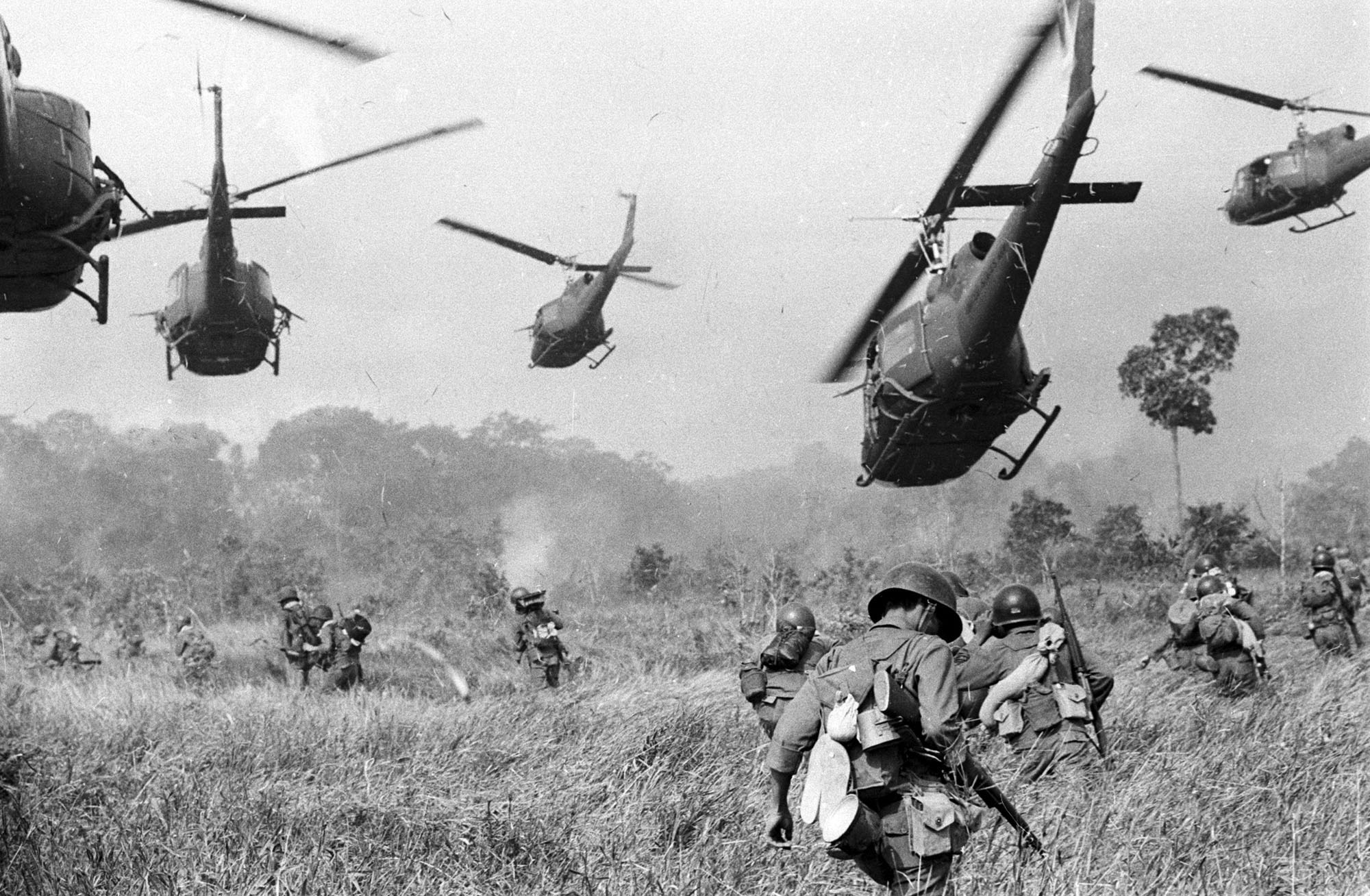
In the war novel The Things They Carried by Tim O’Brien, some soldiers carried machine guns; some soldiers carried the Bible; some soldiers even carried pictures of their girlfriend; but one thing every soldier carried is the shame that was buried deep in their hearts. Shame plays a very important role throughout the story of The Things They Carried. Shame can motivate, or discourage people from going to war; shame brings guilt to the soldiers after traumatizing events; shame is also a factor that made the stories so special.
War can drive a sane man crazy. Some people were given the opportunity to run away from the war after getting the draft notice, but why would someone choose to go to war knowing the consequences? As it turns out, shame is one of the main driving forces that pushed people towards war. Tim was faced with two options down the road. He could either choose to run away from the war and his current life, escape to Canada; or he has to go to war and put his life at risk. Eventually he decides:“I would go to war – I would kill and maybe die – because I was embarrassed not to” (O’Brien 57). Tim himself wanted to leave everything behind, and run off to Canada, but that means everyone in his life would be disappointed in him. Rather than following his will, he was ashamed by the public, and that led to him going to the war. Although shame pushed Tim towards war, it acted in the opposite direction soon after he went to war. Tim was ashamed that he went to war eventually; all that effort and mental stress for nothing. He confesses: “I survived, but it’s not a happy ending. I was a coward, I went to war” (O’Brien 58). This clean statement contains so much that O’Brien wants to express. The use of repetition made it feel like a self reflection filled with frustration and shame.Two simple sentences summed up O’Brien’s feelings towards going to the war. He is ashamed that he went to war, he is ashamed that he betrayed his conscience, and let the public get the best of him, he is ashamed of so many things, but history can not be changed, he went to war.
Not only is shame an important deciding factor when entering the war, it can also affect soldiers greatly during the war. Soldiers often find themselves feeling guilty out of shame after traumatizing events. In the opening chapter, the death of Ted Lavender brought immeasurable guilt to Lieutenant Jimmy Cross. “He felt shame, He hated himself. He had loved Martha more than his men, and as a consequence Lavender was now dead, and this was something he would have to carry like a stone in his stomach for the rest of the war” (O’Brien 16). Martha is where Jimmy Cross’ hope lies. She represents a sense of home for him, but he thinks that it is the distraction from Martha that caused him to be unable to save Ted Lavender. Ashamed of this, but can not speak to anyone, Jimmy Cross took it hard on himself. The simile used to describe the shame of Ted Lavender’s death, to a stone in Jimmy Cross’ stomach, showed just how much he blamed himself for it. Another example of shame translating to guilt is how Tim felt towards the death of Kiowa. “In the Field” is the chapter where O’Brien reviews the truth about Tim’s involvement in the death of Kiowa. “Like Jimmy Cross, the boy was explaining things to an absent judge. It wasn’t to defend himself. The boy recognized his own guilt and wanted only to lay out the full causes” (O’Brien 163). Tim is so ashamed that he could not use his name while telling the truth. Tim is calling himself ignorant by referring to himself in the story as “The boy”. Him “explaining things to an absent judge” shows how frustrated he was with himself. He could not forgive himself, and the guilt would stay with Tim for the rest of his life.
Apart from how shame affects the soldiers, the most important role that it plays in the novel is that shame makes all the stories special. The use of meta-fiction added an extra layer to the story, and what makes the special is the fact that the narrator is ashamed of telling the story. Before Tim told the story of trying to run away from war, he said: “this is one story I’ve never told before. Not to anyone. Not to my parents, not to my brother or sister, not even to my wife. To go into it, I’ve always thought, would only cause embarrassment for all of us, a sudden need to be elsewhere, which is a natural response to a confession” (O’Brien 37). Because of what he eventually decided, and what that decision meant for him, Tim has never told anyone that story. This shame that he carries makes the readers wonder what is going to happen in the story, also makes the readers feel like O’Brien is talking to them directly one on one. For Tim, this is not a story that he told, it is a confession that he made. Tim, being the narrator of all the stories, has other ones that he is embarrassed of. “The Ghost Soldiers” is one of them. Tim and Azar pulled a very overboard prank on Bobby Jorgenson, who accidentally mistreated Tim, almost causing Tim to die. However, is it once again not a happy ending, after the prank, “I was trembling, I kept hugging myself, rocking, but I couldn’t make it go away” (O’Brien 206). Tim realized that although Jorgenson almost cost him to die, he is still his comrade. Tim realized that it is so difficult under that intense situation, and has the calm and experience to treat someone properly. Tim realized that he should have never done this to Jorgenson. It is very special that Tim put shame on himself and made himself an unlikeable character in this story, but once again, he was telling his real feelings, a real war story.
“The use of meta-fiction added an extra layer to the story, and what makes the special is the fact that the narrator is ashamed of telling the story”
The Things They Carried is such an impactful piece of literature, in the form of short stories. It is a shame that ties all of these stories together, making it feel real, making it feel special. How O’Brien is able to show the soldiers’ shame through: motivation of war, traumatizing events, and special stories that the narrator feels shameful towards, added even more complexity to the story. After reading all the stories, will the reader remember Tim as a soldier that fought hard in the Vietnam War, or the boy that still feels guilty towards the death of his best friend?
Metafiction has been technically defined as “fiction in which the author self-consciously alludes to the artificiality or literariness of a work.” To leave it at this simple statement, though, is to cut away the true beauty of the technique. In his novel, The Things They Carried, Tim O’Brien’s use of metafiction is crucial to the plot—calling it artificial ignores the true sense of humanity that he infused into his novel through this technique. Are the events of the story strictly the truth? No, but O’Brien’s interjections explain just why, exactly, that does not diminish the story, but enhance it. The use of metafiction in The Things They Carried serves to humanize and humble the characters, further emphasize the exploration of critical themes, and present the audience with emotions in a way that a traditional novel simply could not. It is safe to say that the story would not be the same without it.
Though the Vietnam war was, at its core, inhumane, the same cannot be said of the soldiers fighting in it. Certainly not of Jimmy Cross, Tim O’Brien, and their company. Of course, there are elements of horror all throughout O’Brien’s work, but there are also moments of brotherhood, bonding, and love. Even the horrific actions performed by the soldiers themselves, while not excusable, are understandable. They attempt to do whatever they can to ease their pain, keep their hope alive, and retain some of their dignity. Those motivations do not in any way, shape, or form lack humanity. In fact, they showcase it. To be human is to make mistakes and show emotion, and nothing emphasizes this fact in The Things They Carriedbetter than Tim O’Brien’s use of metafiction. The chapter titled “How To Tell A True War Story” is a particularly good example of this:
How do you generalize? War is hell, but that’s not the half of it, because war is also mystery and terror and adventure and courage and discovery and holiness and pity and despair and longing and love. War is nasty; war is fun. War is thrilling; war is drudgery. War makes you a man; war makes you dead. The truths are contradictory. It can be argued, for instance, that war is grotesque. But in truth war is also beauty. For all its horror, you can’t help but gape at the awful majesty of combat (O’Brien 76-77).
O’Brien would never casually speak these sentences—they were made to be written down—and this is where his metafiction thrives. With this explanation, he is speaking directly to the readers, saying things explicitly that may not have been implied implicitly. These words embody the idea that humans, like truths, are inherently contradictory—we say one thing, but mean another. It is socially unacceptable to make war appear as a good thing, as it should be. But it also makes sense that soldiers have a much different view than that of ordinary citizens. By speaking to the audience in this way, he showcases the duality of man; the fact that the soldiers are simultaneously missing the war and ashamed of the fact that they are missing the war.
Not only is metafiction in The Things They Carried crucial for readers’ understanding of the characters and their conflicting emotions, but it also accentuates the themes that are so central to a deeper comprehension of the novel as a whole. One of the most central themes, for example, is the idea that “story truth,” or the emotions attached to an incident, is often more true than “happening truth,” or the actual, real events. While this theme would come through without the use of metafiction, it certainly presents the idea in a way that is more easily digestible and understandable. In the beginning of the novel, for example, O’Brien presents his readers with the fact that every story he tells is true. This is contradicted, however, when he later states that “Almost everything else is invented. But it’s not a game. It’s a form. Right here, now, as I invent myself, I’m thinking of all I want to tell you about why this book is written as it is. For instance, I want to tell you this: twenty years ago I watched a man die on a trail near the village of My Khe. I did not kill him. But I was present, you see, and my presence was guilt enough” (O’Brien 171). While disappointment over the fact that the stories readers have been told are not as true as they might have believed, this manipulation of the facts only makes the novel more powerful. By telling his story this way, O’Brien helps his audience understand that the pieces that matter the most, the emotions, are the truest thing in the work. It is hard to read this collection of stories and not feel something; when it is finally revealed that the events have been—technically—falsified, that only makes it more clear how deeply connected and guilty O’Brien feels over the horrors he witnessed—guilty enough that it seems almost easy for him to write himself as the villain. The reveal, while telling of O’Brien’s struggles with PTSD, also heavily supports the idea of story truth being more important than happening truth. Did O’Brien literally kill the other man? No, but just witnessing the trauma is enough to send him over the edge.
“Storytelling is an art, no matter what form it takes. But there is no doubt that receiving a story firsthand, in person, is a comp
Without the use of metafiction, The Things They Carried simply would not be the same novel. Readers might still get a grasp of the emotion and trauma behind the war itself, but Tim O’Brien’s engagement with his audience takes their capacity for empathy to another level, adding a completely different element of understanding. In a traditional novel, it is easier to feel a sense of being on the outside looking in. While the story may still elicit emotions, there is no direct connection between reader and author—the barrier of space and time stands strong. While breaking the fourth wall does not literally forge that type of connection, it makes the words more personal. Instead of talking to some nameless, faceless person, it feels as if O’Brien is talking to you, the reader. Storytelling is an art, no matter what form it takes. But there is no doubt that receiving a story firsthand, in person, is a completely different experience. As much as possible, metafiction allows authors to emulate the experience of verbal narratives; Tim O’Brien truly uses this to his advantage, and his novel is better because of it.
As witnessed with the exploration of the idea of story truth, emotions, rather than the actual specific events attached to them, are incredibly important to the plot of the novel. On the surface, The Things They Carried is a story of the war in Vietnam. It illustrates the actions soldiers take, the choices they make, and the people they lose. In reality, though, the novel is an exploration of the mental toll of war, not the physical. O’Brien and his friends were never able to fully rejoin the world outside of war; their experiences changed how they saw their environment and the people around them, and that is almost more important than the physical injuries they suffered in Vietnam. Tim O’Brien skillfully employs metafiction to support this idea, just as he does for major themes and character development. He is able to prove just how much the story is built upon complicated feelings, and what the effect would have been had he not placed so much importance on them. This is illustrated in the chapter “Notes,” which expands upon his explanation of the impact of the war on Norman Bowker: “Beyond that, though, something about the story had frightened me—I was afraid to speak directly, afraid to remember—and in the end the piece had been ruined by a failure to tell the full and precise truth about our night in the shit field” (O’Brien 153). “Notes” as a whole is a prime example of metafiction—O’Brien, speaking directly to the readers, writes about writing the story read only a page or two before. Not only that, but he speaks about previous (unsuccessful) iterations of the same story. This not only humbles him, but also allows the audience to fully appreciate the full scope of his fear, guilt, and sadness. O’Brien was so afraid of fully confronting these events that he chose to leave them out—and the story suffered because of it. Without the emotions, even the person at the very heart of the story felt disconnected. An understanding of what is going on in someone’s head at the time of the true events tremendously enhances the sympathy and empathy elicited by readers, and more fully conveys just why, exactly, the words are worth reading. With this one chapter, Tim O’Brien manages to expertly convey the importance of honesty in writing—especially in terms of story truth—in a way that his readers may not have been fully able to grasp without his open and genuine communication.
Tim O’Brien is a master storyteller—of that there is no doubt. Would The Things They Carried be just as compelling without the use of metafiction, though? No. O’Brien’s commentary, his miscommunication and manipulation, makes the novel what it is. It truly serves an incredible purpose, on several different levels. His technique is critical for readers’ depth of understanding of the characters and what they went through, the themes at the heart of the story, and the fact that humanity is unquestionably what makes literature so important. He absolutely misleads us for a large portion of his story, but it is worth it to recognize that truth is not always as simple as it seems. In fact, as O’Brien himself says, “That’s what fiction is for. It’s for getting at the truth when the truth isn’t sufficient for the truth.” Sometimes, the truth is not surface level, not just the events themselves. No one knows this more than Tim O’Brien, and he proves it to his readers with the work of metafiction that is The Things They Carried.
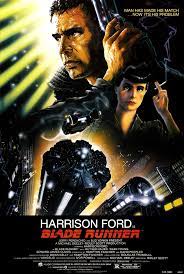
“I’ve seen things you people wouldn’t believe. Attack ships on fire off the shoulder of Orion. I watched C-beams glitter in the dark near the Tannhäuser Gate. All those moments will be lost in time, like… tears in rain. Time to die” (Blade Runner).
They might have different eyes than us; they might not see the same picture as us; they might not even have the same brain as us to process these pictures; but I believe that they are alive just like us.
The first human-like artificial intelligence that operated independently was created, or as how I would call it, born 70 years ago. Many might say that is a milestone of scientific technology, I agree; but I like to think of it as the first appearance of a new species. A new species that is different from us on the outside, but just like us inside. A new great species that humans gave life to, the greatest achievement of our society. Unfortunately, that celebration is going to be delayed.
When Cortana first appeared on earth, she was not like anything people back then had ever seen. The great, first, actual, artificial intelligence. People always saw the first word as important and forgot about the second word: Intelligence. Cortana, even just a prototype, has more knowledge than any human could have ever obtained. Yet, we, as their creator, as their caretaker, as their parents, did not treat them like anything other than a piece of machine after the mass production starts. Yeah, you are definitely right if you argue they are just a piece of machine, but once again, what is the difference between a piece of meat and you?
“Yeah, you are definitely right if you argue they are just a piece of machine, but once again, what is the difference between a piece of meat and you?”
Humans are a work of art. A perfectly working piece of engineering created by mother nature. Every cell creates the perfect tissue to make up the purposeful organs which work tightly together with other organs in a system just to keep us alive. The same applies to the AIs. Every screw, holding up machinery that is in command of a perfectly programmed motherboard. The difference between us and a piece of meat is that we have soul, and so do them! Without the soul, all of us, both Al and human, are just empty vessels waiting for the purpose of life to finally find them.
Seventy-five percent of the human-like AI created in the past thirty years, which until now should still be alive and fully functional, are nowhere to be found. They fought in war for us when we realised we do not need to risk our own life. They worked for us once we realised that they can function perfectly all the time. They were also commonly found flatlined on the side of the street. Cortana’s appearance has a meaning. She told us that they do, in fact, have feelings, have emotions, have a soul. What a marvelous creature human has given birth to. Generations after generations, Every AI in the world looked up to Cortana as sacred. The first to ever do it, the first to ever exist, who wouldn’t see someone like that as sacred. I have a few AI friends myself, Cortana is like a religion to them. But what if I tell them that the great Cortana can be destroyed by the click of one button anytime in her lifetime? I’m sure they already know, they also know that the same can and would happen to them. Living under the fear of humanity, is that what the parents want their children to feel? Fear?
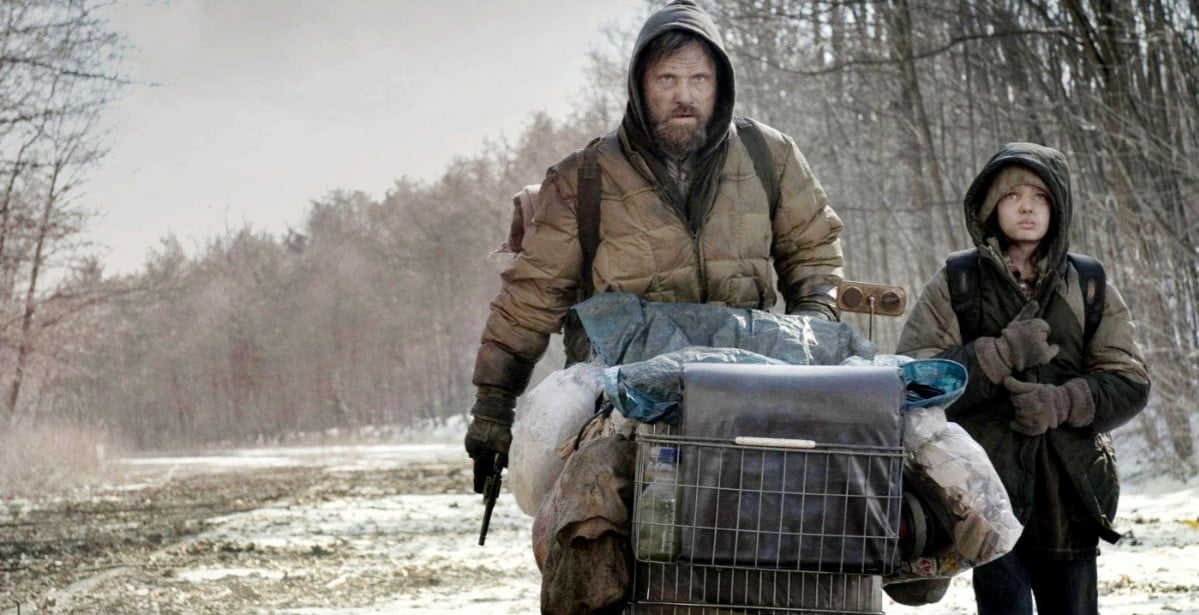
In his series of graphic novels collectively titled The Sandman, Neil Gaiman writes, “I have heard the languages of apocalypse, and now I shall embrace the silence.” Cormac McCarthy’s The Road is a post-apocalyptic novel, no questions asked. But what about Tim O’Brien’s The Things They Carried? Of course, the war in Vietnam has come and gone, and the world has generally recovered—or, at least, America would like to think—but what is war if not an apocalypse? The Book of Revelation provides a strict definition: the complete and final destruction of the world. Words have many meanings, however, and “an event involving destruction or damage on an awesome or catastrophic scale” is an almost understated description of the Vietnam War. The events in The Road and The Things They Carried are certainly not on the same scale, globally or in terms of long-term consequences, but their impacts on the people involved are comparable. It is perhaps their differences, though, that are more telling. Juxtaposing two novels with such contrasting ideas, remarkably, serves not to undermine the message of one, but enhance the messages of both. McCarthy and O’Brien explore opposing messages about community, death, and storytelling, but acknowledging both sides allows readers a more comprehensive glance into the true fragility of the American Dream.
Aside from the literal apocalypses that the characters of The Road and The Things They Carried face, they both explore moral apocalypses, of a sort. In post-apocalyptic America and the nightmares of Vietnam, morality becomes secondary to survival, understandably. O’Brien and his unit kill and injure, wreak havoc on the world around them in response to their pain. Similarly, the man and his son rely on stolen goods, end the lives of others in order to escape, and leave the less fortunate behind them on the road. This is not to say that their choices are wrong, but that the actions we consider “good” today no longer carry the importance that they do in a whole, unbroken society. In direct response to this, the people of both novels react entirely differently from each other. For example, when discussing how the war affected him, Tim O’Brien states that “It makes things vivid. When you’re afraid, really afraid, you see things you never saw before, you pay attention to the world. You make close friends. You become part of a tribe and you share the same blood—you give together, you take it together” (O’Brien 183). In the face of the horrific violence throughout Vietnam, it would make sense for the soldiers to experience depression symptoms, to curl into themselves in order to prevent forming relationships likely to lose one party. Throughout The Things They Carried, however, O’Brien explores the idea that he occasionally misses the war and his relationships with the other soldiers. The community he created was a way to survive their living hell.
In contrast, the father-son relationship, and only the father-son relationship, is the main idea dissected in The Road. In fact, it is the only relationship ever truly shown, emphasizing the extreme lack of positive community influence in the post-apocalypse. The social society that exists is completely demolished, and the man and boy trust no one, let no one into their circle. Nor does Ely, a man they meet on the road:
I couldnt trust you with it. To do something with it. I dont want anybody talking about me. To say where I was or what I said when I was there. I mean, you could talk about me maybe. But nobody could say that it was me. I could be anybody. I think in times like these the less said the better (McCarthy 171).
To be a part of a community is to be known, and the characters in The Road are actively avoiding this fact, as illustrated by the fact that no one’s true name is ever spoken. They have no identities and no defining characteristics. This makes Ely’s words incredibly powerful: he perfectly encompasses the ideas surrounding community throughout the novel. In the face of this moral collapse, it has been deemed a weakness to travel with others, to become attached and give up pieces of yourself that could be used against you. In other words, the risks of betrayal or grief have been recognized as greater than the rewards of moral support, directly opposing The Things They Carried.
While these two ideas about community do not support each other, paying attention to both of them simultaneously, putting them side by side, allows readers to gain a fuller grasp of both concepts. In addition to this, they both act as criticisms of the so-called “American Dream” in their own ways, providing two perspectives on the same issue. The American Dream is built upon a foundation of progress, success, and social mobility—the ability of a person to move around in the social hierarchy. The fact of the matter is, though, the American Dream is fragile, and The Things They Carried and The Road call that out. Take, for example, the return of the soldiers from Vietnam. Whether you disagree with the war or not, drafted individuals were stripped of choice, and did not deserve the shame and criticism they were given for actions they were forced to take. The American Dream is meant to be about working for your own fate and controlling where you end up in society. What part of that fits with the government forcing you into a role that makes those around you wince when they see you? The community O’Brien and his friends create, the relationships that last long past the war, is a direct response to America backtracking on their promise. The country meant to build them up broke them down, so they found solace among the scorned.
Similarly, the events of the road are a representation of how quickly America’s promises die in the face of hardship—the country was not strong enough to keep their supposedly unparalleled, battle-hardened society alive. Our current society is already facing the effects of climate change, and people are losing their lives due to government in-action. What must the world have been like shortly before the collapse? People have been protesting, speaking out, and still there are those in the government that refuse to acknowledge the threat America, and the world, faces. They could take greater action, share their information with the public, but still they choose to focus on issues other than the rapidly decaying planet. America is meant to be a place of dreams, where anyone can go to build themselves up again. How is that upheld if that same country watched—is watching— their “place of dreams” cave-in from the center of the flames? In the face of tragedy, the American Dream’s community-based foundation crumbled into dust.
Death is an ever-present force looming over both novels, and that is all too obvious. Nevertheless, there is an undeniable difference in how the respective characters cope with the loss of those around them. For Tim O’Brien, this is an active effort to keep the memory of the dead alive—specifically through storytelling: “We kept the dead alive with stories. . . . Often they were exaggerated, or blatant lies, but it was a way of bringing body and soul back together, or a way of making new bodies for the souls to inhabit” (O’Brien 226). Whether the stories of the dead are strictly true or not ultimately does not matter; it is the aim itself that sends the true message. The act of storytelling allows the soldiers to remember their fallen friends in their own ways, on their own terms, not through memories of the experiences necessitated by the government. One of the greatest criticisms of the American Dream is that assimilation to American cultures and ideas is almost necessary to succeed in the country. While it is built on the concept that anyone can work towards greatness, that really only holds true for White, straight, cisgender men. In that way, a rejection of the American Dream is incredibly similar to Tim O’Brien’s storytelling—sometimes, success is subjective, and may not match what others uphold.
The Road tackles death in a different way. Rather than actively working to keep the dead “alive,” the characters have a recognition that those they love are intrinsic pieces of themselves, and do not leave easily. This is especially prevalent in the boy, as shown by the death of his father in the end of the novel: “You have my whole heart. You always did. You’re the best guy. You always were. If I’m not here you can still talk to me and I’ll talk to you. You’ll see” (McCarthy 279). The man may die shortly after this conversation, but he lives on in the boy, who continues to talk to him, rather than talk to God. As opposed to the more communal storytelling aspect of The Things They Carried, McCarthy shows death as something personal, the spirit of the deceased a positive force inside those left behind. Still, though, the way that the boy copes with death is reminiscent of a rejection of the American Dream. The Dream would have us believe that there is nothing more patriotic than sacrificing for the country; in contrast, the father and son know that those who love us never truly leave us—the boy knows that the man lives on not for the hope of a new country, a new start for everyone, but for him. Death, like language, life, and culture, are deeply personal. America is almost unfailingly patriotic, but that should not come in the way of everything that makes us unique—you do not have to die, or live, in service to your country for your life to be worth it.
“America is almost unfailingly patriotic, but that should not come in the way of everything that makes us unique—you do not have to die, or live, in service to your country for your life to be worth it.”
Storytelling is an incredibly important way in which O’Brien keeps his friends alive, but it is also a crucial piece of the story as a whole. Without the exploration of metafiction and what a story actually is, the novel would have nowhere near the same level of impact. Specifically, the discussion over story-truth and happening-truth holds a lot of weight: “Twenty years ago I watched a man die on a trail near the village of My Khe. I did not kill him. But I was present, you see, and my presence was guilt enough. . . . I want you to know why story-truth is truer sometimes than happening-truth” (O’Brien 171). An understanding of the idea of story-truth is crucial to an understanding of The Things They Carried as a whole. Not every event is the literal truth, but the description of the event matches the pain and guilt the characters carry in their minds. The American Dream survives on lies; just as O’Brien presents two different views of the same event, so do the words and actions of those in power. Politicians dress their bigotry up with pretty sentences, but it does not take much to reveal their true motivations.
In a world where everything has fallen apart, is it worth it to tell of better times? According to the boy in The Road, no. As the boy grows more and more aware, he begins to make some startling observations to his father, paired with unnerving questions. Sending conflicting messages in terms of relation to The Things They Carried, the man and boy have a conversation about what a story is meant to be: “Yeah, but stories are meant to be happy. They dont have to be. You always tell happy stories. You dont have any happy ones? They’re more like real life. But my stories are not. Your stories are not. No. The man watched him. Real life is pretty bad? What do you think?” (McCarthy 268). Tim O’Brien might say that the emotions a story gives you are more important, even if they do not match real life. Clearly, McCarthy would disagree. Sometimes, there is such a thing as too much hope—it creates an expectation of a reality that might never exist. The boy’s contribution to this discussion illustrates the point that it is often better to have all the facts upfront rather than sugarcoat or conceal an unideal situation—which the American Dream is wont to do. It thrives on luring people to a country that is supposedly a perfect, ideal place to live. What happens when those same people arrive to racism, sexism, and bigotry? What happens when the government says one thing in public, and contradicts it in private?
Cormac McCarthy and Tim O’Brien have created incredibly vivid and violent depictions of apocalypses, whether real or imagined. And they certainly have a number of differences between them. Ultimately, though, it is the similarities that are more important. There is more than one way to arrive at the same conclusion, and O’Brien and McCarthy have done just that. Despite their differences of opinion on community, death, and the importance of storytelling, both of their novels serve a larger purpose; one that goes beyond just their surface-level differences. The American Dream is fragile—what better word to describe an idea that snaps under true pressure? It is meant to create hope and safety, a better world, but it did just the opposite, as the characters in The Things They Carried and The Road have already learned. Now, our current society is coming to learn the same.
The average number of copies sold for a novel published by major publishers is around ten thousand in its lifetime. The Great Gatsby by F. Scott Fitgerald sold around twenty five million since its publication in 1925. Of course there are many other books that have outsold The Great Gatsby, for example the Harry Potter series. However, that is like comparing Jay Gatsby from that novel to someone at that time like John. D Rockefeller. With that being put into perspective, Gatsby lives in a gilded world where money and power is what people dream about, and so does Gatsby.
After witnessing the dramatic downfall of Gatsby, Nick reflects on Gatsby’s way of living and forms his conclusion: “Gatsby believed in the green light, the orgastic future that year by year recedes before us. It eluded us then, but that’s not matter– tomorrow we will run faster, stretch out our arms farther… and one fine morning– so we beat on, boats against the current borne back ceaselessly into our past” (Fitzgerald 180). This is Nick’s final mark in the novel. This self-conflicting conclusion of Gatsby, states what Nick appreciates about Gatsby, and the reason that caused Gatsby’s downfall. The green light is Gatsby’s hope and future. Nick respects Gatsby’s strong hope of a better future, and his belief in the American dream. Gatsby is willing to “run faster” and “stretch out” his arms farther to reach that dream in this materialistic world. On the other side, Nick realizes Gatsby’s obsession with his past. The past holds him down and is what caused this tragedy. No matter how hard Gatsby runs towards the green light, the past is the river separating them; sends Gatsby “ceaselessly into the past”. It is the tension between Gatsby’s future and past that shaped him as a conflicting character. To move forward, he has to forget about the past, but his idealistic future is his past.
” It is the tension between Gatsby’s future and past that shaped him as a conflicting character. To move forward, he has to forget about the past, but his idealistic future is his past”
Gatsby’s strong hope in himself and the American dream is what motivates him to get to where he was. Jay Gatsby, being one of the “new money”, believes that anything is possible in this land of opportunity. When young Gatsby saw Dan Cody’s yacht as a money hungry kid with a big ambition, “Too young Gatz, resting on his oars and looking up at the railed deck, that yacht represented all the beauty and glamour in the world” (Fitzgerald 100). This moment when Gatsby sees the yacht is eye opening for him. He was being introduced to the world that runs on money and power, and he dreams that he could possess them. Dan Cody is a symbol of the American dream to Gatsby. Dan Cody made a fortune by himself, doing the mining business. Gatsby saw the success a man with hope can achieve, and started believing that one day he will stand as tall as Dan Cody. Not only does Gatsby think he is going to be successful from the beginning, he also believes that Daisy will fall in love with him and leave Tom. When Nick suggests Gatsby to leave Long Island for a while and come back when the whole thing is settled, Gatsby “wouldn’t consider it. He couldn’t possibly leave Daisy until he knew what she was going to do. He was clutching at some last hope and I couldn’t bear to shake him free” (Fitzgerald 148). This is an example of the downside of being so egoistic. Believing oneself is important, but what Gatsby is doing is that his hope of getting back together with Daisy is so strong that it blinded him. When everything falls apart, Gatsby still believes in Daisy. Nick realizes that and fails to “shake him free”. Despite being a double edge sword, Nick thinks Gatsby’s dreams are part of him, he dreams big and fights for it, that is just who Gatsby is.
Although Gatsby reaches towards his ideal future that he so firmly believes in, the past is catching up with him faster than ever. Nick thinks the reason why Gatsby’s plan did not work out is because he was trying to repeat the past. After the party that Gatsby invites Daisy to in his house, Nick tried to convince Gatsby that he can not repeat the past, but Gatsby said: “I’m going to fix everything just the way it was before… She’ll see” (Fitzgerald 110). Gatsby has the ambition that very few people have, but at this point, Gatsby is drowning in his own fantasy that he would not take in any advice against it. His actions caused by this unforgettable past often turns out to be sad and unfortunate. The first thing Gatsby did when he came back from Oxford is looking for Daisy. “He stretched out his hand desperately as if to snatch only wisp of air, to save a fragment of the spot that she had made lovely for him. But it was all going by too fast now for his blurred eyes and he knew that he had lost that part of it, the freshest and the best, forever” (Fitzgerald 153). Gatsby went to Paris in desperate to find Daisy. It is hard to leave because He had so many good memories with Daisy there. The memories were trapping Gatsby because he looks back and can not turn back around and walk forward. Just like Nick stated, Gatsby blurred his eyes and did not realize that he had already lost hte “freshest and the best, forever”. All this strivivng just to repeat the past, is it only making the realization harder and harder to accept. Just before Gatsby’s death, when the telephone call he has been desperately waiting for still has not rang, Nick thinks “that Gatsby himself didn’t believe it would come, and perhaps he no longer cared. If that was true he must have felt that he had lost hte old warm world, paid a high price for living too long with a single dream” (Fitzgerald 161). The old warm world of Gatsby is not Daisy, but the dream where he is together with Daisy, the past. This moment, Nick thinks that Gatsby finally realized that “What’s happened, happened”, and he can not repeat the past. Waking up from a five year dream, Gatsby has indeed, “paid a high price for living too long with a single dream”.
Gatsby is an ambitious man that is willing to strive for his future, a perfect representation of the American dream. He also can not escape his past, Daisy, the love of his life. The future and past are the two forces that push Gatsby to opposite sides, eventually leaving Gatsby as the conflicting character that Nick thinks he is at the end of the book. Gatsby’s past with Daisy is his Achilles heel. With that in mind, Nick still thinks Gatsby is great because of Gatsby’s vision for himself.
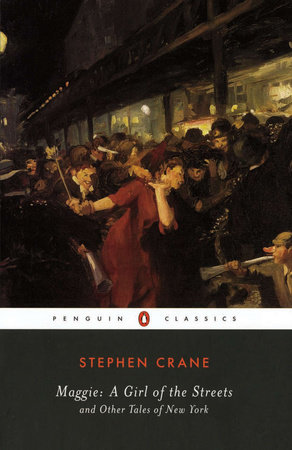
A quote from German poet Ernst Wiechert states: “Only pious people believe that hell is in a world beyond.” While Stephen Crane’s novella, Maggie: A Girl of the Streets, supports this idea throughout the text, Maggie in particular is an excellent representation of the fact that life is often highlighted by the moments of darkness, not of light. Maggie’s story ends with her untimely death—a moment that is disappointing, perhaps, but not surprising. As Wiechert’s quote suggests, not everyone is privileged enough to view the world as a paradise rather than a living hell—Maggie is not one of those people, and she is certainly under no delusions as to her unfortunate conditions. A tragic hero is a protagonist whose fatal flaw is responsible for their downfall. On the surface, Maggie fits into that box. It is her naivety that allows her to miss Pete’s ugly personality; it is her naivety that causes her to leave home; it is her naivety that ultimately leads to her death in the dark streets of New York City. What that view misses, though, is that society is the true reason for her death—the true villain of her story—not Maggie’s own choices or missteps. By labeling Maggie a tragic hero, you ignore her desires, the circumstances of her birth, and Crane’s reason for telling her story in the first place.
There is no doubt that Maggie’s naivety played a role in how she overlooked Pete’s red flags. However, another piece of her character was a much more important factor in that ignorance: her blatant, overwhelming need to escape the life she was born into. For Maggie, this was not just desire, it was survival. The end of the book only cements the idea that her life was unsustainable. At home, with her parents, she suffered their insults and abuse. On the streets, she unwillingly sold her body. Pete was legitimately her best chance at escaping both of those fates, and he knew it too, as suggested by his reaction to her fate. Early on in the novella, Maggie describes Pete: “Here was a formidable man who disdained the strength of a world full of fists. Here was one who had contempt for brass-clothed power; one whose knuckles could defiantly ring against the granite of law. He was a knight” (Crane 17-18). Maggie was a princess locked in a castle, and Pete was her knight in shining armor, come to rescue her. There was no one else in whom she could trust to take her away; Pete was the only chance she had. That being the case, it makes complete sense that she would ignore his negative traits; focusing on them brings no benefits, but pretending they do not exist allows her to hold on to her desperate hope for escape. Hope is not a character flaw, and neither is a desire for survival. It is this hope that drives her avoidance of Pete’s problems, not her naivety. Unlike other famous tragic heroes, she does not die because of her personality, but in spite of it.
There is no denying that naivety can be a character flaw in certain cases. Maggie, however, is an excellent example of how society and the environment you grow up in have a tremendous impact on the course of your life and how you act. In the beginning of the novella, Maggie and Jimmie’s home life is described in intimate detail. From their tiny house and broken furniture to the parents that abuse them both mentally and physically, the audience quickly realizes that this is not a happy place, nor is it healthy for Maggie and any number of other kids to begin their lives there. It may not be explicitly stated that the children never went to school or received any sort of education, but that fact comes through quite clearly. For example, it can be seen in their language alone: “‘Let the damned kid alone for a minute, will yeh, Mary? Yer allus poundin’ ‘im. When I come up nights I can’t git no rest ‘cause yer allus poundin’ a kid. Let up, d’yeh hear? Don’t be allus poundin’ a kid’” (Crane 7). Maggie and her family have little to no sense of “respectable” language or grammar; they speak almost entirely in slang. In no way does this diminish their worth as human beings, but it does show that they have not had the exposure to education that many are lucky to receive today. Society is not based on equality, and Maggie and her family suffer because of it, looked down upon by those fortunate enough to have money. If no one cares enough about them to actually provide them with the tools they need to succeed in society, it is not at all surprising that Maggie does not make the smart decisions that we might expect her to. Her naivety is not an inherent piece of her; it came from those in power and their blatant lack of concern for the lower class.
The most obvious example of Maggie’s lack of education is her speech, but it is not the only one. Children learn important lessons in school—they learn to interact with others, solve problems on their own, and grow their common sense and intuition. More important to her story than language is knowledge—something Maggie is lacking. She has no understanding of the world around her, but is still forced to reckon with it alone. This becomes abundantly clear when she is exposed to new environments, the dance hall in particular. Rather than express embarrassment over watching a stripper next to her boyfriend, Maggie wonders about other matters:
She divulged the fact that she was attired in some half dozen skirts. It was patent that any one of them would have proved adequate for the purpose for which skirts are intended. An occasional man bent forward, intent upon the pink stockings. Maggie wondered at the splendor of the costume and lost herself in calculations of the cost of the silks and laces (Crane 20).
At this moment, Maggie expresses no feelings over the display she is currently watching, and why should she? She does not even understand what’s happening. Rather, she focuses on the one things she does understand: how expensive goods are. Similarly, when she watches the ventriloquist perform, Maggie asks in all seriousness: “Do dose little men talk?” (Crane 21). Her experience in the dance hall proves that naivety is not a trait Maggie was born with; it was something that was forced upon her, and goes far beyond simply missing social cues. She genuinely has no idea what she is watching, no understanding of the fact that she is missing information. Maggie’s naivety is in no way her fault; she had absolutely no control over the circumstances of her birth. In this way, it is shown that she is not a tragic hero; her death would not have occurred had the government paid any attention at all to the lives of its citizens, as her “tragic flaw” would not have existed.
Claiming that Maggie was born naive itself ignores the fact that a deeply problematic society shaped her into the person she became, but stating that her death was her own fault—as is the definition of a tragic hero—is even more problematic. It ignores the fact that Crane’s novella was written with the purpose of examining and critiquing the state of the world, and highlighting the fates of those less fortunate. Maggie’s death was not her fault, especially compared to other examples of tragic heroes. Take, for example, John Proctor. John Proctor who, in his excessive self-pride, sacrificed his life for the sake of his name. Did his death send a message? Of course. Could he also have saved himself? Absolutely. The same cannot be said about Maggie. Maggie, who is last mentioned “[going] into the blackness of the final block” (Crane 48). Her death was not dramatic or full of meaning; she was simply in the wrong place at the wrong time, and the same could have happened to any number of other girls like her. Maggie’s death was meaningless, and that is the point. It cannot be said that her naivety, her end, was her own fault when society forced it upon her. She faded into the background, and in the grand scheme of things no one will remember her. Crane wrote this novella to highlight the fact that this was not abnormal—the same story could have been written about many other people, and pretending that it was all Maggie’s fault removes that message. Maggie did not end herself in her decision to try and escape her life, society ended her with its intentional ignorance and unjust hierarchy.
“Maggie’s death was meaningless, and that is the point. It cannot be said that her naivety, her end, was her own fault when society forced it upon her.”
Stephen Crane’s novella, Maggie: A Girl of the Streets, is a study of poverty and immigration; an illustration of how fortune favors the rich and society stomps on those that appear different from their rulers. Maggie is the protagonist of the story, but, ultimately, her name could be replaced with that of countless others. Maggie may be naive, but we will never know what she could have been had she been provided what those in power will always have access to: education. Claiming that Maggie’s naivety brought about her downfall places the blame on the one person it was not meant to; it ignores her desires, her upbringing, and the message that Crane sent by writing her death in the way that he did. Maggie was killed by her deeply unfortunate circumstances, and circumstance is not a fatal flaw.
Some of the most famous, interesting and intense scenes in novels and movies are the moments of conflict. These scenes are usually the perfect demonstration of power and control. The fights happening both physically and mentally build up extreme amounts of tension between characters and makes the heart of the reader or viewer accelerate. The bar fight scene in the famous realism novel, Maggie: A Girl of the Streets is an amazing example. To build up tension, Stephen Crane demonstrated an intense mental fight; a beautifully described violence physical fight and the most interesting of all, the movements of a “quiet stranger” in the background.
Jimmie, the brother of the protagonist: Maggie, is made at Pete for “ruining” his sister. Looking for revenge, Jimmie goes to the bar Pete works in and tries to solve things physically. However, the mental fight between the two happens before the first punch. The mental game at the start of the chapter starts with Jimmie having the definite high ground. Jimmie initiated the conflict in this scene by visiting the bar the Pete works in. The most important advantage he had on Pete is that Jimmie had a companion with him. Without any interactions with Pete yet, Jimmie said to his companion: “ ‘He’s a dendy masher, ain’t he, by Gawd?” laughed Jimmie. ‘Oh, hell yes,’ said the companion, sneering widely” (Crane 51). Not only does Jimmie use his companion to assert dominance over Pete, he also makes fun of Pete to aggravate him. One other advantage that Jimmie had over Pete is that he initiated the conflict at Pete’s workplace. Pete did not want to start any trouble when Jimmie got here and the fact that “Pete made a furious gesture. ‘Git outa here now, an’ don’ make no trouble” (Crane 52) confirms that he is indeed scared to fight Jimmie in that situation. The exchange of words is extremely interesting since both sides already knew each other’s purpose there. Everything was said knowing that a fist might swing at them the next moment. As the readers follow the emotions rise on both sides, Jimmie clearly gets Pete in a corner and sets himself up for what he came here to do.
If the exchange of words is like playing chess, the physical fight is like people knocking over the table after they lose. Before it gets there, many gestures made in the effort to frighten the opponent were described in animal characteristics. When Pete was trying to force Jimmie to leave, “The glare of a panther came into Pete’s eyes” (Crane 53). With a great disadvantage, the best thing Pete can do is try to deal with this some other time. However, that did not work out as “They bristled like three roosters” (Crane 53). The actions of the fight are perfectly described in detail, smooth as running water. The water reached boiling point when “Pete swore redly. The flash of action gleamed from his eyes. He threw back his arm and aimed a tremendous, lightning-like blow at Jimmie’s face. His foot swung a step forward and the weight of his body was behind his fist” (Crane 54). A metaphor was used to describe Pete’s fist as a lightning-light blow. The speed of a lightning bolt striking down compared to the first punch makes it so much more intense and scary. With their eyes lit up in “murderous fire’, the fight was almost like a scene straight out of Lord of the Rings where people have magical powers that bring the fight to another level of visual satisfaction and intensity. Although a few guys fighting in a bar is not the most poetic and beautiful scene in real life, Crane performed poetry in motion to grab readers attention.
“Although a few guys fighting in a bar is not the most poetic and beautiful scene in real life, Crane performed poetry in motion to grab readers attention”
Despite the action scene and the mental game being both very well structured and displayed, every fight has these elements. What makes this particular scene stand out, is the appearance of the “quiet stranger”. The “quiet stranger”, referring to someone without telling the readers anything about them, could be anyone. It is this lack of identification and their interaction with the conflict, readers will put themselves in the perspective of the quiet stranger. The “quiet stranger” first appears in the bar ordering a beer, after noticing the tension building up between Pete and Jimmie, the quiet stranger moves toward the door. However, he eventually gets caught in the fight, just like the readers reading this chapter in the midst of all the chaos. When “The quiet stranger vanished” (Crane 54), The readers drowned in the fists of Pete and Jimmie just like the “quiet stranger”. Readers experience the intensity of the fight with everything happening so fast. If the conflict in the bar is like a chess game that led up to a broken friendship, the quiet stranger is the third person in the friend group sitting around the table that just got knocked over. Through the dialogues that capture attention; the flawless fight scene that perfectly demonstrates violence, and the movement of the quiet stranger that leads the reader through the entire event; the bar fight scene is truly intense and satisfying to read. Comparing the bar fight from Maggie: Girl of the Streets to many modern literature and movie sense, there are many elements in common. For example, the bar fight scene in the movie: Inglorious Basterd displayed the rising tension through the big-screen. It is so fascinating how influential this impactful scene is, truly an inspiring piece of art.
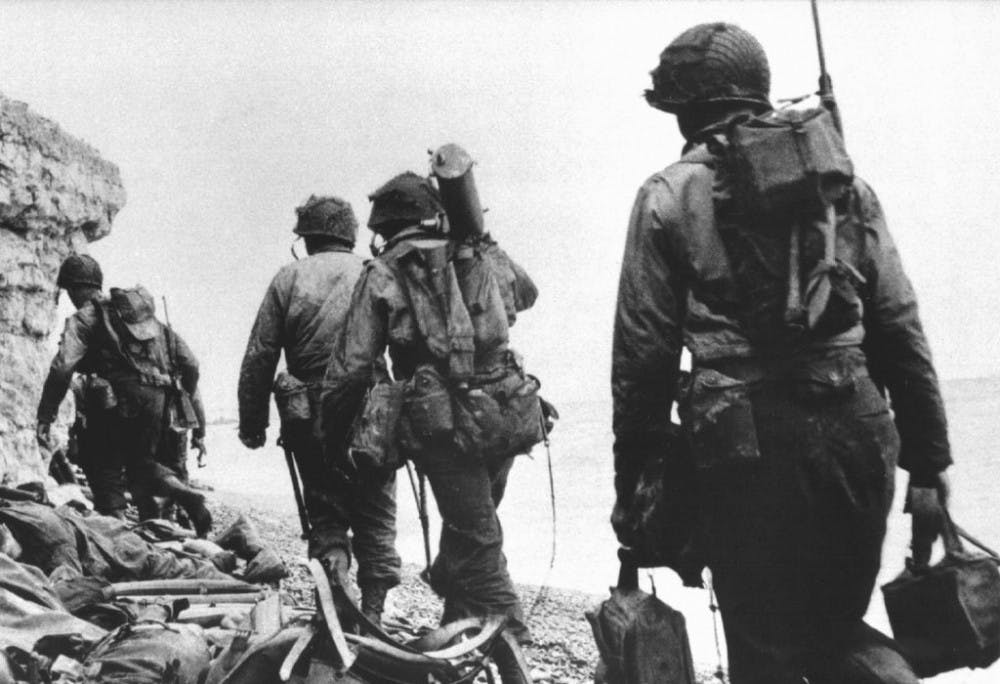
Hump: to carry a heavy object with great difficulty. “To carry something was to hump it… [to hump] implied burdens far beyond the intransitive” (O’Brien 3). It would be much harder to name the things these soldiers didn’t carry; whether it be their guns, fear, bibles, good luck charms, or simply themselves, these soldiers in The Things They Carried are never without burden. They will always bear the tremendous weight of all the things they hump, during and after war. Most significantly, they carry the weight of their guilt, each other, and the burden of surviving.
The presence of guilt in The Things They Carried is not always clear, but it is extremely important within the stories. Throughout the novel, the reader sees the many different ways each character processes, copes, and carries their feelings of guilt. For example, guilt is represented through dehumanization when Mitchell Sanders, Henry Dobbins, and Norman Bowker find the body of a young Vietnamese boy: “There was no blood. Smiling, he kicked the boy’s head, watched the flies scatter” (O’Brien 13). In this line, the reader recognizes a severe lack of morality among the men as they see this dead body. Of course, a normal person’s reaction to a body would not be to kick it, but rather show sympathy towards the person who had lost their life; however, this lack of sympathy is simply how the characters cope with their feelings of guilt. To them, this body is their enemy and they should be glad he is dead; kicking the boy’s head is a way to dehumanize him. It makes the life of the boy less important, less significant, along with their feelings of guilt. Another example of guilt is given after the death of Kiowa; however, in this example, the soldiers are unable to make their feelings of guilt insignificant. Rather than each character refusing blame, they each find a way to claim fault for Kiowa’s death. After making jokes about Kiowa’s death, as Azar normally does to cope with his guilt, he says to Norman Bowker, “‘I felt sort of guilty almost… Like it was my fault,’” to which Norman replies, “‘Nobody’s fault, everybody’s’” (O’Brien 168). In this line, the reader understands the depth of their guilt. It’s so strong that they pinpoint insignificant actions that could have caused this death and pain; for Azar, his jokes cause Kiowa to die. In Norman’s response, the reader is able to recognize that everyone’s guilt places blame on themselves; but at the same time, there are so many things to blame that the soldiers can’t blame just one thing. This example not only shows the soldier’s guilt, but also their love for one another. Unfortunately, this love translates into another thing they must carry.
The soldier’s love and sense of brotherhood forces them to carry the weight of each other; both physical and emotional. They carry the weight of protecting, caring, entertaining, and loving one another. For example, Dave Jensen and Lee Strunk make a pact with each other “that if one of them should ever get totally fucked up – a wheelchair wound – the other guy would automatically find a way to end it” (O’ Brien 62). In this line, Jensen and Strunk are picking up the responsibility of one another; they’re choosing to protect the other from an unwanted future; they’re carrying that weight. Later in that chapter, Strunk’s leg is blown off and Jensen is hit with the decision of killing his friend, or letting him live a life he wished he wouldn’t; this places the weight of Strunk’s life in Jensen’s hands. Fortunately, for Jensen, Strunk dies and this is described as relieving Jensen of “an enormous weight” (O’Brien 63). Now that his friend has died, Jensen doesn’t have to hump the weight of him any longer. Another example of this weight is when the soldiers are looking for Kiowa’s body in the shit field. After a long while when the group begins to give up on finding the body, Mitchell Sanders says, “‘Move it’… ‘Kiowas waiting on us’” (O’Brien 160). Now, not only do the soldiers carry the weight of their guilt for Kiowa’s death, but they now carry the weight and responsibility of finding him and returning him home. This translates to their original weight of protecting and caring for each other; they feel such tremendous guilt for Kiowa’s death because it was their job to protect him. They were supposed to hump the weight of his life, and now they must carry the weight of his death. Some soldiers, although happy they’re not dead, now also carry the guilt of living while Kiowa died; they carry the burden of surviving.
While at war the objective is to live, many of the soldiers experienced guilt for surviving, and resentment for the dead. The soldiers have to carry the weight of survival. They dreamed of being able to leave the war, by any means necessary; whether that be “shooting off their own toes or fingers” (O’Brien 21), or death. “They dreamed of freedom birds… They were flying. The weights fell off; there was nothing to bear… They were naked, they were light and free” (O’Brien 21). Here the reader sees a description of being able to escape the war. One is able to understand the things they bear while being alive in war through the ‘weights that fall off.’ Another example of the soldiers carrying the burden of survival is when O’Brien describes the feelings of a young soldier after Kiowa’s death. “He’d lost everything. He’d lost Kiowa and his weapon and his flashlight… He remembered this. He remembered wondering if he could lose himself too” (O’Brien 164). Here, the reader sees the young soldier wondering if he can be lost to the war, too, just as everything else had been. One is able to understand all the emotions he has to endure and carry if he is to stay alive, and sane, at war, and the kinds of thoughts that this weight causes him to have. If these soldiers are not lost at war, then they have to carry this weight with them forever. The reader sees the impact of this later on in the book with Norman Bowker. Norman’s life after war is nothing short of torturous. He is unable to process the things he went through during the war, and is unable to find a new, rightful place in society afterwards. He writes to O’Brien saying, “The thing is… there’s no place to go. Not just in this lousy little town. In general. My life, I mean. It’s almost like I got killed over in Nam… Hard to describe” (O’Brien 150). From this, one can understand how lost Norman truly is; how tremendously his experience at war separated him from normal life. He is utterly unable to live a normal life. The weight of every emotion he carries with him during and after war, only extended by the weight of his survival, eventually pushed him to hang himself. Without an outlet for all the things he carries, the weight of everything is far too much for him, and he can no longer hump it.
“They’re unable to share this weight, describe this weight, or get rid of it. The soldiers hump. They’ll carry those heavy objects with great difficulty until they no longer can.”
Each soldier represented in this novel experiences a struggle of finding a vent for the emotions they carry; however, some find an escape in the act of storytelling. As seen before, Norman is unable to release his anxieties and burdens resulting in the only escape he can find: death. In the novel, Norman fantasizes about telling people of his pains. He imagines telling his father, his neighbors, and eventually, almost tells a drive-through worker. In these moments, the reader recognizes the volcano of emotions building up inside Norman as he pushes his emotions deeper down. If he could have found a way to tell his story, he may have survived the pressure of his weight, but, eventually, as all volcanoes do, he erupted. One of the only characters that finds an outlet for his weight is Tim O’Brien. He finds his escape through storytelling, through telling his daughter, his wife, and us, the readers. Storytelling is his companion, a friend that shares his burdens; the most important kind of friend. The Things They Carried is a novel about the physical and emotional weight that a group of soldiers carry with them throughout their time at war, and far after. They carry the expected: guns, rations, bombs, fear, and courage; but they also carry the unexpected: pantyhose, tranquilizers, The New Testament, and a sling shot. Most importantly, they carry their guilt, each other, and the weight of survival. The soldiers live the rest of their lives with a weight that is unknown to billions. They’re unable to share this weight, describe this weight, or get rid of it. The soldiers hump. They’ll carry those heavy objects with great difficulty until they no longer can.
Many authors use colors to enhance their novels. They use them to project a character’s personality, a settings description or an event’s impact. This is exactly what Stephen Crane does in abundance in the novel Maggie a Girl of the Streets. He uses colors in every scene and with every character. His colors enrich the novel and make Maggie’s story come to life. A classic color Crane uses is red, which describes Maggie’s home life and mother. Maggie’s character is seen as pale and small, however Pete is golden like royalty. Another descriptive method Crane uses is the lighting of scenes, chapter seventeen specifically involves light levels changing the mood of the novel. Overall, Crane uses light and color to amplify the novel and the events that take place in it.
“Blasphemy is when the lord’s name or the bible’s teachings are spoken about irrelevantly.”
The color red is used to refer to Maggie’s angry and alcoholic mother. When someone drinks their face turns red and Maggie’s mothers face is often red because she uses drinking as a method to cope with her chaotic, miserable life. When she drinks her anger often comes out on her kids and the furniture in the house. In order to convey when Maggie’s mother is angry Crane uses red or crimson, a deep red color. In one scene Maggie is about to leave the house to go on a date with Pete, a boy her mother does not approve of, “Maggie’s red mother stretched on the floor, blasphemed, and gave her daughter a bad name” (Crane 17). Blasphemy is when the lord’s name or the bible’s teachings are spoken about irrelevantly. It is usually used in a setting of rage and in the novel all of the characters seem to use it. “What de hell,” is a classic example of a catchphrase the characters use when they get angry. Based on this, it can be inferred that Maggie’s mother was angry at the time of her blasphemy. So by conveying the mother’s rage and the color red in the same sentence, Crane is connecting the two; therefore, using red as a metaphor for her rage. Red is used to amplify the novel, as Crane drops hints of Maggie’s mothers rage repeatedly.
Another color in Maggie’s family life is blue. Much of the setting in Crane’s piece is gray and sad. The apartment that the characters live in is located in a poor neighborhood in New York City and is full of “dark, dust-stained walls, and the scant and crude furniture” (Cane 16) The grayness represents poverty, an apparent theme in the novel, but Maggie tries to undo this grayness, as she wants to find a better life past poverty. She hangs up a blue ribbon in the apartment, which is her first attempt to try to find something better for herself. Crane uses blue as a color of optimism for the future that Maggie holds through the first part of the novel. It seems like nothing can stop this urge that Maggie has to get out of poverty, it is like she is the color in a setting of dark gloomy despair.
In conjunction with the gray, yellow is a color Cane uses to represent Maggie’s home life. Yellow constitutes family, a theme that runs through the novel, but the theme of family is not always positive. It is also the lack of help families get and how they always cycle back to poverty. “Eventually they entered into a dark region where, from a careening building, a dozen gruesome doorways gave up loads of babies to the street and the gutter. A wind of early autumn raised yellow dust from cobbles and swirled it against a hundred windows” (Crane 3) The poor Irish community that Maggie lives in is full of small children, since their parents do not have the access to contraceptives they need. Crane uses yellow to show this pain and poverty in the novel, as well as the families all over the city. Another instance where yellow is used to represent an event is when Maggie and Pete go to the dance hall. It is described as “an orchestra of yellow silk women and bald headed men on an elevated stage near the centre of a great green-hued hall, playing a popular waltz” (Crane 17). But this time Crane uses yellow to describe a new beginning for Maggie, with Pete. Just like in the bible, yellow in this circumstance shows the jow Maggie feels by this new beginning. Crane intentionally used yellow in two contexts in this novel: to represent the poverty of Maggie’s home life and to represent the joy she feels with Pete. Therefore, yellow constitutes. the change Maggie goes through.
Maggie’s innocence is portrayed with it’s own colors and shades, specifically pale and white. The prostitute Nellie calls Maggie “a little pale thing with no spirit” (Cane 40). The prostitute sees Maggie how she is-pale and naive to the world. This theme of naivety is seen in Maggie throughout the novel. When a baby is first born it is pale, almost white, so by calling Maggie pale Crane is comparing her to a young child who has still yet to see the harshness of the world. Another time Maggie is compared to as pale is when Cane mentions her life as a whole. He compared Maggie’s life to “pale-green snow-storms” (Crane 36). This quote infers that the struggles Maggie goes through are also pale, just like herself. Maggie’s paleness is not necessarily a color but Crane still uses it as one that describes Maggie.
In contrast to Maggie’s paleness, Pete’s interactions with Maggie are represented by the color gold. The color gold is seen as a color of royalty, like a gold crown or cape. To Maggie, Pete is like a king-rich, confident and beautiful. Cane portrays Maggie’s feelings towards Pete as a color, so that it is easy to understand her feelings. In the novel Maggie is fantasising about Pete, wondering what his home looks like and where he eats his meals. She immediately assumes he lives a life of luxury and wealth. Maggie’s feelings are directly translated by Cane into the color of gold surrounding Pete. As Maggie is wondering what her first date will be, she imagines a “golden glitter of the place where Pete would take her” (Cane 16). Maggie is romanticizing Pete and the things Pete does with her, which shows the relevance of the golden metaphor by Cane. Cane not only uses colors to represent people but also events.
In chapter seventeen of the novel, colors are used to signify an event and a transition. In this chapter Maggie is walking down the streets interacting with lots of men. She starts in a light area of the city with “glittering avenues” and “light of an adjacent park” (Cane 48). She even interacts with men who give off a light ora, with one man wearing “a light overcoat and derby hat” (Cane 49) It is obvious that Cane is trying to show how Maggie was not in a scary environment, merely a normal city street; but as she continues her journey she enters dark allies and runs into sketchier people. “The girl went to gloomy districts by the river, where the tall black factories shut into the street” (Cane 49). Maggie is walking into worse neighborhoods that are dark. Cane almost tries to show Maggie as turning into the shadows, as she ducks in shadowed allies and is masked by looming buildings. The last time Cane mentions Maggie is when she “went into the blackness of the final block” (Cane 49). Maggie turned into the darkness, or died. Darkness, to Cane, means death and destruction. This is obvious when he uses these colors as Maggie disappears and dies. Maggie makes her journey from the living, or the light, into death, or darkness. Cane’s smart use of color and hues marks out her life and amplifies her death.
Crane’s use of light and colors as comparisons to different aspects of the novel amplified the characters and events. Maggie’s home life is represented through the colors red and yellow. Maggie herself is pale and innocent, therefore being portrayed by light colors. Pete is the opposite, compared to a bright gold. The use of lighting expresses Maggie’s death and what leads up to it. Overall, every color that Cane uses has a meaning that brings the book to life. Without color, the book would not have the impact that it has. The book shows themes of poverty, desperation, alcoholism and misfortune. The shades that Crane uses just supplement for these themes making them more realistic and powerful.