
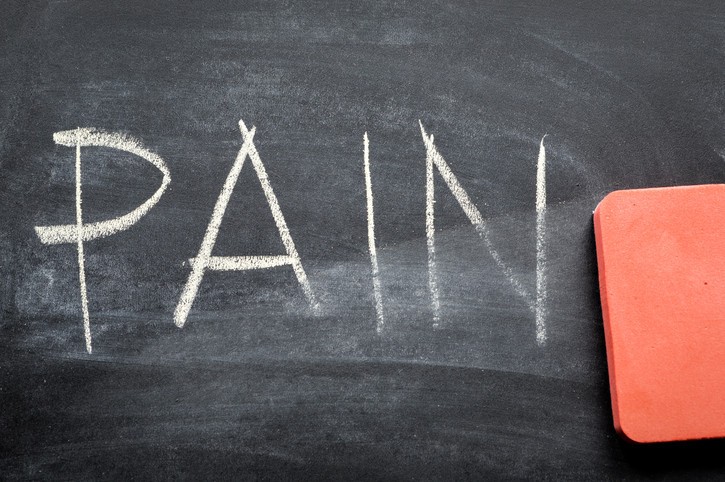
“Mental pain is less dramatic than physical pain, but it is more common and also more hard to bear. The frequent attempt to conceal mental pain increases the burden; it is easier to say “My tooth is aching” than to say “My heart is broken.” (C.S Lewis, The Problem of Pain). This quote shows how easy mental pain is covered up by physical pain, therefore, although not alike, they work hand in hand with each other. Physical and emotional burdens are both always exhausting; which is more tiring? Many can argue that the physical burden is more difficult to deal with. The constant body pains and the need for relief can never be escaped. It is also arguable that emotional burdens can be more of a struggle; if your mind isn’t willing, how can your body be? While a broken bone is physically painful in a way that everyone can see, the emotional burden of mental illness which can’t be seen also played an immense role in the lives of many characters.
The chapter “The Things They Carried” lists off every pound and ounce of everything the American soldiers needed to carry, mandatory and personal. “The riflemen carried anywhere from 12 to 20 magazines, usually in cloth bandoliers, adding on another 8.4 pounds at minimum, 14 pounds at maximum. When it was available, they also carried M-16 maintenance gear—rods and steel brushes and swabs and tubes of LSA oil—all of which weighed about a pound. Among the grunts, some carried the M-79 grenade launcher, 5.9 pounds unloaded, a reasonably light weapon except for the ammunition, which was heavy. A single round weighed 10 ounces. The typical load was 25 rounds.” (O’Brien 5). The author throughout this novel is trying to make the reader understand the amount of struggle these soldiers have gone through. He lists off everything to the last ounce to put the scene into a certain perspective. This was just the beginning. When you are reading, O’Brien really tries to transport the reader into the novel. He wants them to understand from a personal perspective without even being present. The soldiers didn’t just physically carry items, they also carried everything around them, on an emotional level. It was just another weight they involuntarily carried: “They carried the sky. The whole atmosphere, they carried it, the humidity, the monsoons, the stink of fungus and decay, all of it, they carried gravity. They moved like mules. By daylight they took sniper fire, at night they were mortared, but it was not battle, it was just the endless march, village to village, without purpose, nothing won or lost.” (O’Brien 14). The narrator, Tim O’brian explains the scene as they cross Vietnam, he describes the physical and emotional pain the soldiers endured through the multiple days, fighting exhaustion and physical hurt. He uses a metaphor to describe in detail the specific imagery he wanted to display, ‘moved like mules’ implying slowly and with limited emotion. They trudged through the difficult environment of Vietnam, which adds another burden to their journey.
The constant body pains and the need for relief can never be escaped.
Although difficult to endure at the time, physical burdens will eventually start to slip away. Through rest, medicine, and care physical burdens can be manageable. Emotional burdens are more difficult. The burdens are internal, they are in the soldier’s heart, soul, and mind; they are carried throughout every cell in their body. O’Brien describes all of the people and places every soldier had to leave behind them. They left behind parents, siblings, girlfriends, friends, and most importantly their home. “Nearly 1 in 4 active duty members showed signs of a mental health condition, according to a 2014 study in JAMA Psychiatry” (“Your Journey”). Some emotional burdens unfortunately become too much for people such as the character Norman Bowker. Whose stories went unheard for too long. Bowker felt trapped in his own mind and that the only way to escape was to kill himself.
The narrator explains the weight of emotional burdens by giving in depth imagery showing the effects of mental illness. The narrator, Tim O’Brien describes, “They carried all the emotional baggage of men who might die. Grief, terror, love, longing–these were intangibles, but the intangibles had their own mass and specific gravity, they had tangible weight. They carried shameful memories. They carried the common secret of cowardice…. Men killed, and died, because they were embarrassed not to” (O’Brien 20). All of the soldiers had something in common, they didn’t want to die but they didn’t want to present as a coward. There was a common theme of toxic masculinity throughout this novel. It was an honor to die for your country, but it also is an honor to serve your country and survive to tell the tale. Many of these young men wanted to present themselves as “tough guys” and die because they were afraid of the opinions of other people back home when they returned. As a result of the emotional and physical burdens the soldiers carry they start to go through the motions, losing hope with each day. They find themselves feeling like an outer shell of their true self. Tim O’Brien describes this feeling after being shot: “Together we understood what terror was: you’re not human anymore. You’re a shadow. You slip out of your own skin, like molting, shedding your own history and your own future, leaving behind everything you ever were or wanted to believe in. You know you’re about to die. And it’s not a movie and you aren’t a hero and all you can do is whimper and wait.” (O’Brien 201). Slowly but surely these constant thoughts of death ate at their brains until it was an irreversible damage. The soldiers went into the war wanting to be presented as ‘heros’ but the outcome of the war was that the weight of emotional and physical pain tearing them down until they were a ‘shadow’ of their true person.
The American soldiers carried multiple burdens: environmental, physical, and emotional. These burdens some still carry with them; the body aches, the mental illness from the emotional distress, and health problems because of both of them. Even without still being in combat, these burdens will be carried with the soldiers until the day they die. As shown in the novel with the character Norman Bowker, emotional pain can have detrimental effects on a soldier’s mental health as well as both physical and emotional pain shown by O’Brien himself.
This was one of my favorite essays that I have written. I was able to demonstrate my thoughts on paper well.
Good stuff Lily. I really like hook as it drags the reader into the essay and also flows great with you points.