
In The Road, the young boy often shows his innocence through his unselfish acts. The boy’s father, on the other hand, is only looking out for the survival of themselves. As the story progresses, the author shows the toll that the outside world has taken on the boy, slowly chipping away at his innocence. The flute that the man carved for his son was a stylistic device in order to not only tell but show the reader how this journey has emotionally affected the child.
Section six primarily focuses on the new hope the father has been trying to find. After finding the house and food the father starts to regain hope again, the father notices changes in the boy, they aren’t blatant but they are enough for him to worry. “Dear people, thank you for all this food and stuff we know that you saved it for yourself and if you were here we wouldn’t eat it no matter how hungry we were and we are sorry that you didn’t get to eat it and we hope that you’re safe in heaven with God.” (McCarthy 146). The boy, unlike the father, thinks about the people around him. Even though the people that used to live in the house they found weren’t there anymore, he still felt like he needed to be able to say thank you to them. The author uses the boy’s mortality as a way to show his innocence. The boy is used stylistically to show the different mindsets different people have in post apocalyptic times and how they will react. The father has lost his morals and would do anything to survive while on the other hand the boy would never eat a dog, or eat a person because he feels morally wrong in doing so.
The boy did whatever his father asked him to because he was terrified
This section shows how the boy longs for a normal life, it shows how much he wants to not worry about everything and trying to survive. Although he was born after the apocalypse started he knows life can be good from the stories that his father has previously told him.“Do you think somebody is coming?” “Yes sometime.” “You said nobody was coming.” “ I didn’t mean ever.” “I wish we could live here.” “I know” (McCarthy 151). This snippet of a scene shows how tired the boy is of constantly moving. You see as the scene continues the boy somewhat gets aggravated because he thought his dad would allow them to stay there for longer because he told the boy that no one will come. This is where you see the boy’s innocence start to shift from the beginning of the book. At the beginning of the book, the boy did whatever his father asked him to because he was terrified, but now the boy is trying to push back on some of his dad’s decisions.
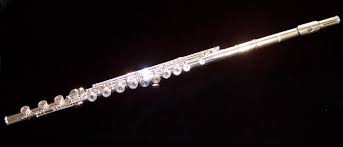
As the section continues the boy’s father starts asking him questions, they are fun light minded questions that are trying to involve the little boy’s imagination. They talk much about Mars and spaceships; this indicates that the father was trying to make an effort to be the boy’s companion instead of protector. Slowly the father starts to bring up that he understood the boy thought he was going to die; just then he asked about the boy’s flute that we see in the beginning of the story. Sadly, the boy reveals that he threw the flute away. “He stopped. What happened to your flute?” “I threw it away.” “You threw it away?” “Yes.” (McCarthy 159). This reveals that at some point along their journey, the boy determined that music no longer had value. The boy’s actions indicate that he, too, like his father might feel as if there’s slim to no hope left.
The novel shows a common theme of survival, hope, and perseverance throughout the storyline, as the book continues, the perseverance and hope of survival slowly starts to disappear, as shown in the boy’s destruction of his father’s gift.
This was a challenging essay for me to write in under 45 minutes but I feel like the quotes I chose were interesting and well connected to my ideas.
Lily, I think that you did a great job with the little time you had. Your essay shows that you have tremendous ability to work under pressure, and have a deep understanding of the book. Also, I like that you point out the fathers loss of morals, because it feels contrasted by the boys. I think it really adds to your work.
I like this essay and I like how you managed to give example of father need to survival with the boy’s fear.
I really like how you connected the loss of the flute as a loss of hope.